Which stamping method is best for a deep, cup-shaped part? Is it a progressive die, a draw die or a transfer line? And does the answer change for a big order? Dechen Metal Machining has offered custom metal stamping services for over 10 years. In that time, the team learned one simple thing. No one method fits every job.
This guide compares the three main types of stamping. It also explains tolerances, materials, finishes, and how to pick a good supplier.
Use progressive die stamping to make many of the same part fast. Use drawn stamping for deep, hollow shapes. Use transfer stamping for big orders of exact parts that need many steps. Three things decide the best fit. These are your order size, how alike the parts must be, and the part’s shape.
What Custom Metal Stamping Services Include
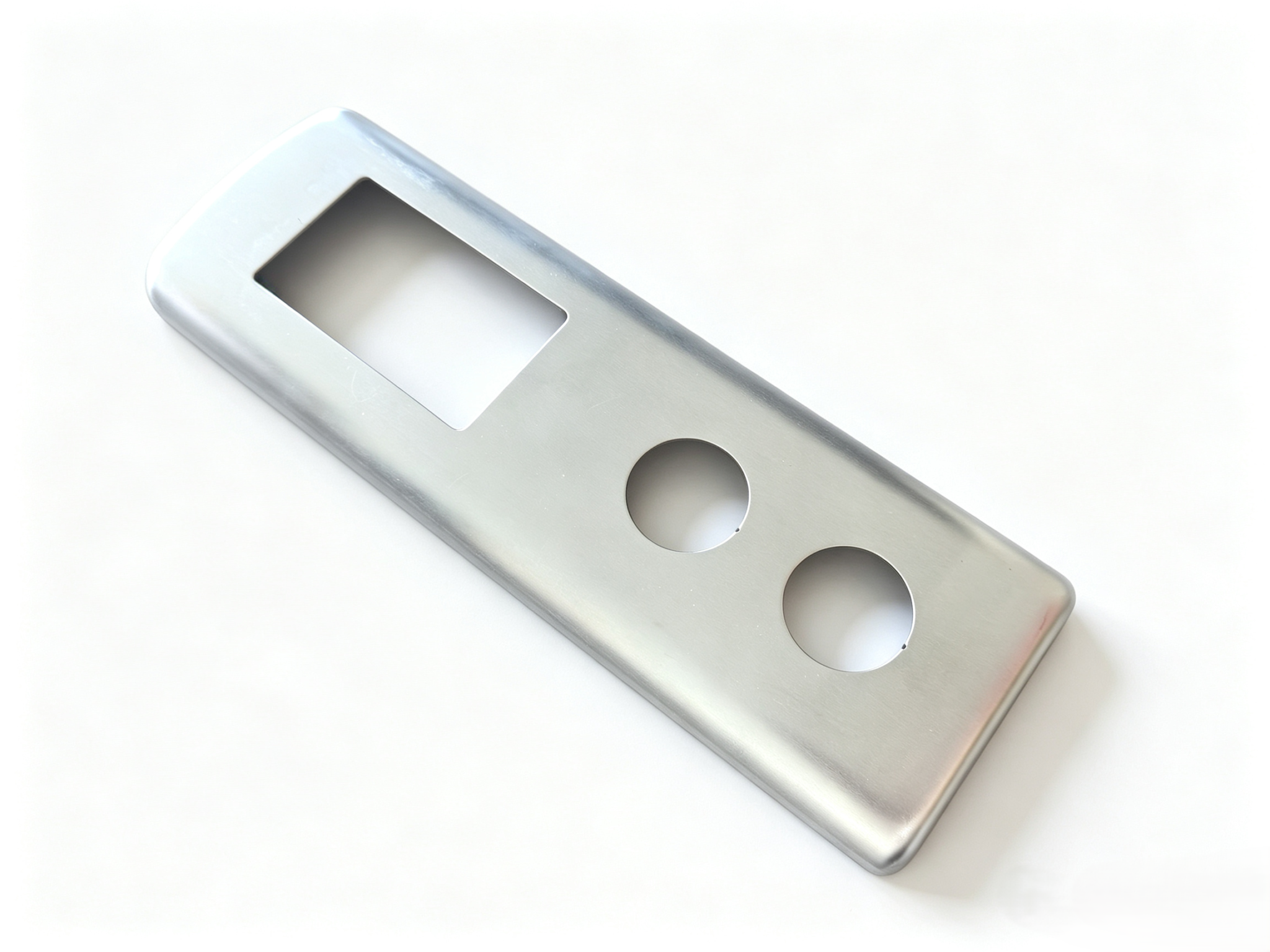
Custom metal stamping services are ways to cut and shape sheet metal into parts. They use strong machines called presses and hard steel tools called dies. Each die is made for your part. Every time the press comes down, it makes the same part again.
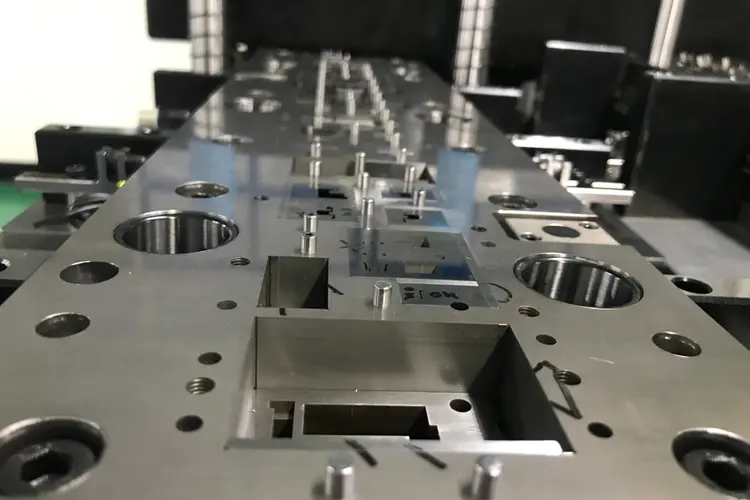
At Dechen, metal stamping dies are made from tool steel. This steel is hard enough to cut most other metals. It also keeps each part to the exact size you need. Every die is planned on a computer with CAD/CAM software. Then it is built in Dechen’s own tool and die shop.
Dechen uses both small and large punch presses. They can handle simple parts and detailed sheet metal stamping jobs. You can find all the details on the custom metal stamping services page.
Five Core Operations Behind Every Stamped Part
- Blanking cuts a shape out of the sheet. That cut-out piece becomes your part.
- Punching is the opposite. The cut-out piece is waste, and the sheet that is left becomes your part.
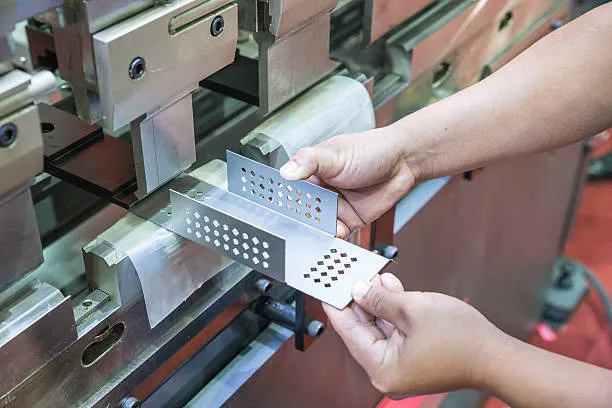
- Bending folds the metal along one line. This often makes L, U or V shapes.
- Drawing, also called forming, pushes the metal into a hollow space or around a shape.
- Embossing uses a die to press a pattern or design into the metal.
Progressive, Drawn and Transfer Side by Side
The biggest difference between these three methods is simple. It is how the part moves from one tool to the next.
Stamping Methods Compared at a Glance
| Method | How the Part Moves | Best Fit | Main Strength | Main Limit |
| Progressive die | A metal strip feeds through a line of press stations | Many identical parts | Fast and repeatable | Not made for deep draws |
| Drawn | A punch pushes a flat blank into a die | Deep, hollow shapes | Low material waste | Best for simple designs |
| Transfer | Machines move each part from station to station | Large orders of multi-step parts | Complex shapes | Needs transfer equipment |
Progressive Die Stamping for Repeatable Runs
Progressive die stamping is a method that moves a long metal strip through a row of press stations. Each station does one small job. One may punch a hole. The next may bend an edge.
Single or progressive dies can shape a part in one step. So each part takes less time, and the press makes more parts.
You pay for metal stamping dies only once. After that, each part costs less as your order grows. So this method works well for custom metal stamping parts. It is best when you order large amounts again and again.
Deep Drawn Metal Stamping for Hollow Parts
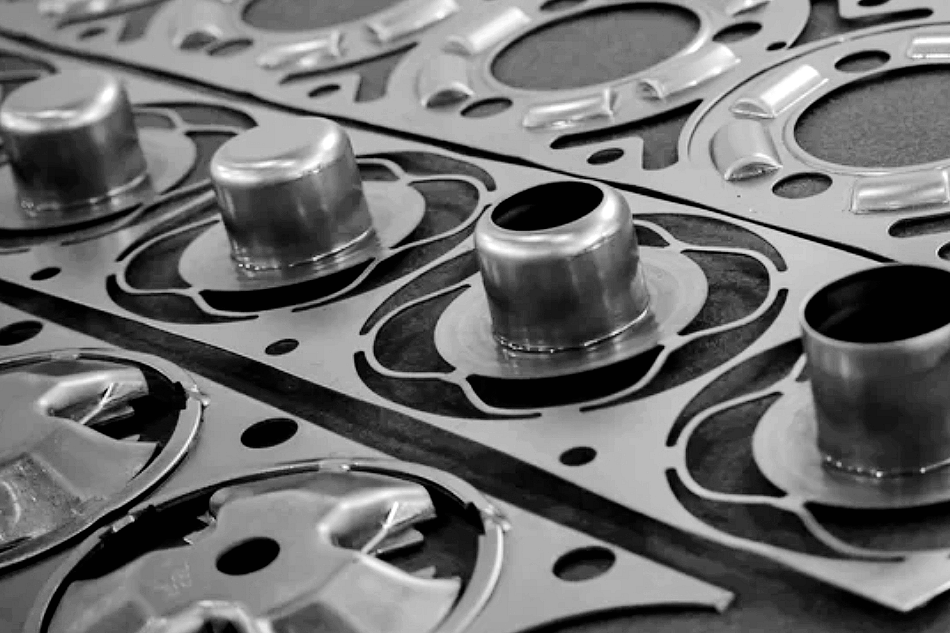
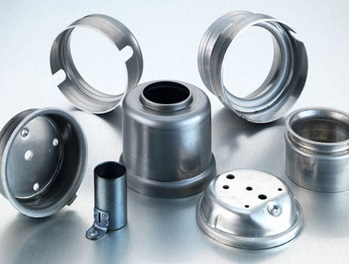
Deep drawn metal stamping is a process that pushes a flat piece of metal into a die. This turns it into a hollow shape. A draw is called “deep” when the part is deeper than it is wide. It works well for cylinders, housings and other deep shapes.
Very little metal goes to waste. The metal stretches into shape instead of being cut away. Dechen also notes that deep drawing gives hollow parts an excellent surface finish.
Aluminum and stainless steel are both good metals for deep drawing. You can read more on the deep-drawn parts service page.
Transfer Stamping Services for Complex Forms
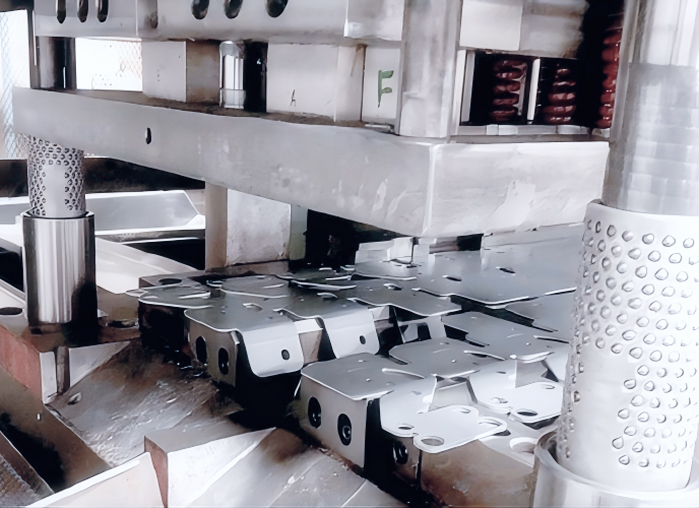
Transfer stamping services are made for big orders of exact parts that need many steps to shape. Here, the part is not joined to a metal strip. Machines pick up each part and move it from one station to the next.
What Transfer Tooling Delivers
- Complex shapes that one die cannot make in a single pass
- Tight size control across the whole batch
- Strong repeatability from the first part to the last
How to Match the Stamping Method to Your Part
Picking the right custom metal stamping services comes down to three things. How deep is your part? How many of the same part do you need? And how many steps does it take to shape it?
Is Your Part Deep or Hollow?
Go with drawn stamping. It is the best fit for cups, cylinders and housings.
Do You Need Many Identical Parts?
Go with a progressive die. The moving strip makes the same part quickly, again and again.
Does It Need Several Forming Steps?
Go with transfer stamping services. Machines move the part through each step and keep it exact.
Still not sure? Dechen’s engineers look at each project. Then they tell you which of their metal stamping services will work best.
Some parts need cutting, bending, welding and assembly, not a special die. For these parts, look at the sheet metal fabrication service before you pay for a die.
Precision Limits Every Buyer Should Check
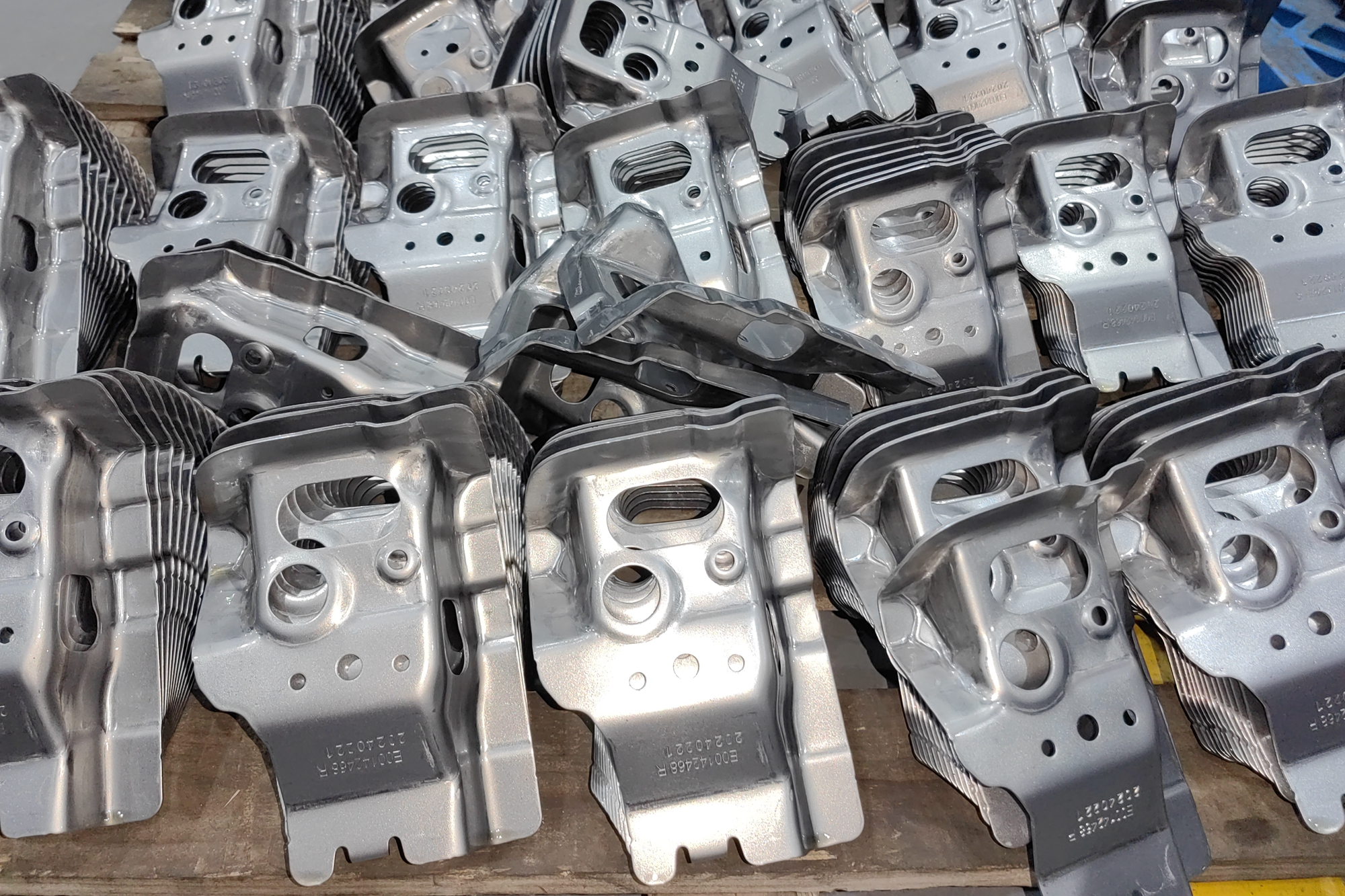
Precision metal stamping at Dechen keeps parts within ±0.05 mm, even in big orders. Before you order custom metal stamping parts, check the numbers below against your drawing.
Dechen Stamping Specifications
| Specification | Range |
| Material thickness | 0.2 mm to 8 mm |
| Dimensional tolerance | ±0.05 mm |
| Maximum press force | 10 to 600 tons |
| Surface roughness (Ra) | 1.6 to 3.2 μm |
| Tooling life | 300,000 to 1,000,000+ cycles |
| Annual output | 500,000 pcs or more |
Materials and Finishes for Stamped Parts
Dechen works with six main types of metal. They include aluminum, stainless steel, cold rolled steel and titanium. The list also covers copper and beryllium copper, plus nickel alloys and Inconel. Need another metal? Dechen can get it if it is sold on the market. You can see the full materials and grades list.
Popular grades include aluminum 5052 and 6061. Stainless steel 304 and 316/316L are popular too. So are cold rolled steel 1008 and 1010. Copper grades like C110 and C172 are good for very small stamped parts (micro-stamping) and precision connectors.
You can pick from many finishes. These include anodizing, alodine, electroplating, passivation and laser marking. Powder coating goes on 50 to 150 μm thick. Polishing can bring the surface down to Ra 0.8 to Ra 0.1. Sheet metal stamping already leaves a smooth surface. So many parts can go right to painting, plating or anodizing. You can see all secondary processing options.
Industries That Rely on Custom Stamped Parts
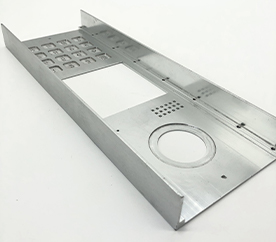
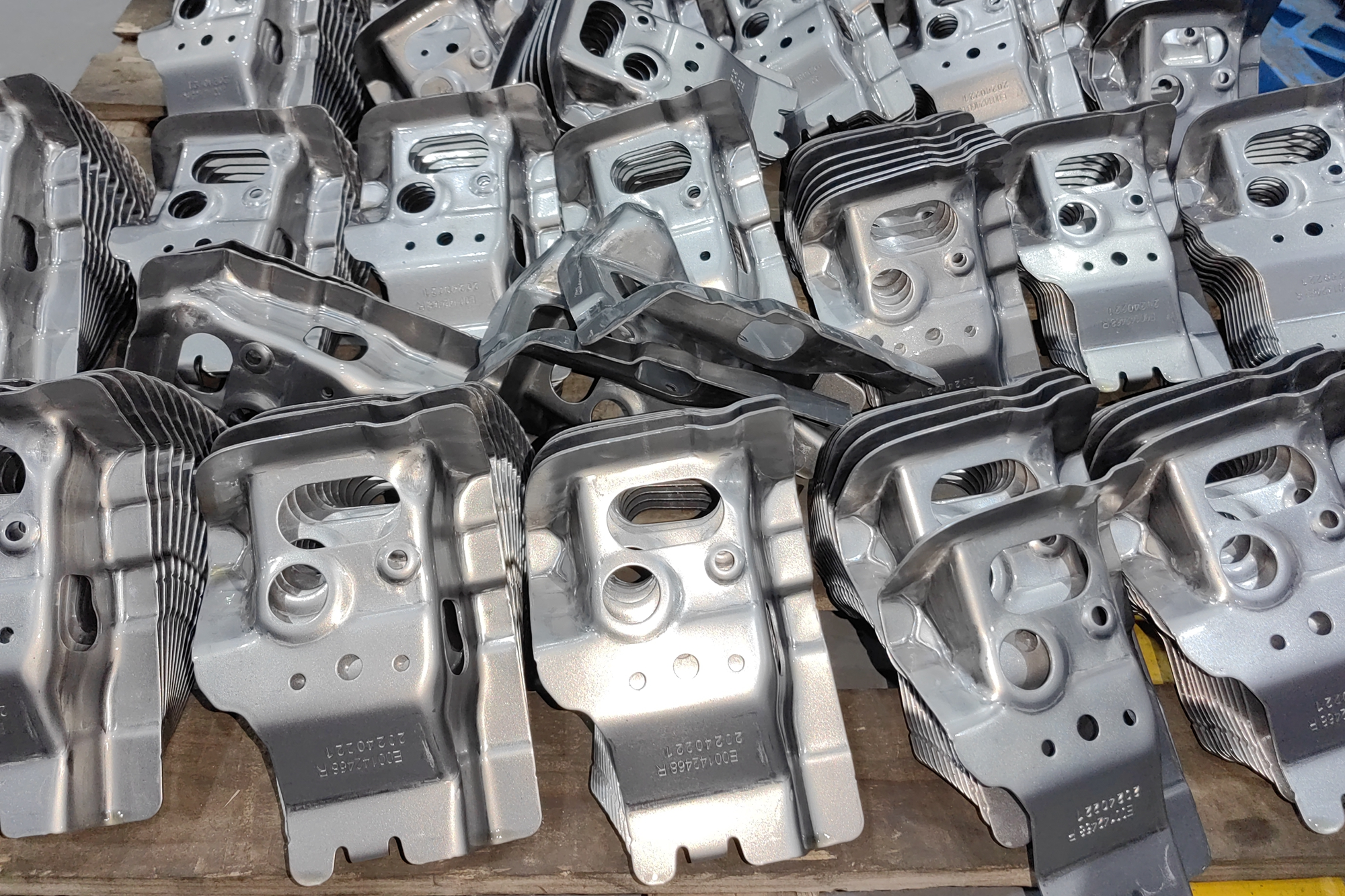
Dechen’s custom metal stamping services are mostly used in the auto, aerospace, medical and hardware industries. The company also works with electronics and farming. For electronics, common custom metal stamping parts are enclosures and housings. These are the metal cases that hold devices. In every field, sheet metal stamping must match the drawing each time.
Choosing a Metal Stamping Manufacturer in China
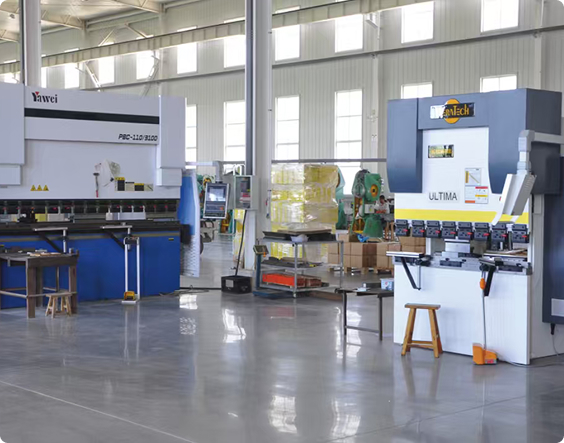
A good metal stamping manufacturer in China should have a real factory, its own tools and trusted certifications. Dechen Metal Machining is the brand name of Cangzhou Dechen Metal Products Co., Ltd. The company started in 2013.
Dechen Factory Profile
- Factory size: More than 10,000㎡ of floor space and over 80 high-precision machines.
- Tooling: Its own tool and die shop, right inside the factory.
- Main work: Precision stamping, deep drawing, sheet metal and CNC machining parts.
- Certifications: AS9100D, ISO 9001:2015 and ISO 13485:2016.
You can learn more about Dechen Metal Machining’s factory.
Questions to Ask Any Stamping Supplier
Before you choose a custom metal stamping company, ask these four questions:
- Do you make metal stamping dies in-house?
- What tolerance can you hold at full volume?
- Which certifications fit my industry?
- Will you sign an NDA and trace every material?
FAQs
What is the difference between progressive and transfer stamping?
The difference is how the part moves. In progressive stamping, the part stays on a metal strip. In transfer stamping, machines move each loose part.
- Progressive: makes the same part fast
- Transfer: shapes parts that need many steps
Which stamping method suits deep cylinders or housings?
Deep drawn metal stamping is the best method for deep cylinders and housings. It pushes flat metal into a die to make a hollow shape.
- Very little metal goes to waste
- Aluminum and stainless steel work well
What tolerance can precision metal stamping hold?
Precision metal stamping at Dechen keeps parts within ±0.05 mm. This works for metal from 0.2 mm to 8 mm thick.
- Surface roughness: Ra 1.6 to 3.2 μm
- Press force: 10 to 600 tons
Is metal stamping cost-effective for large orders?
Yes, metal stamping saves money on large orders. You pay for the die only once, so each part costs less as the order grows.
- One die lasts 300,000 to 1,000,000+ cycles
- Yearly output: 500,000 pcs or more
How fast can I get a quote for custom metal stamping services?
A quote for custom metal stamping services from Dechen comes within 24 hours. Engineers check your specs and sizes first.
- Send STEP, STP, IGS, X_T, DWG, DXF or PDF files, up to 50 MB
- Your design stays private under an NDA
What should I look for in a custom metal stamping company?
A good custom metal stamping company makes its own dies. It also makes parts to exact sizes and has the right certifications.
- Its own tool and die shop
- Certifications such as ISO 9001:2015
Conclusion
The best method depends on your part. Use progressive for many of the same parts. Use drawn for deep parts. Use transfer for parts that need many steps. Dechen Metal Machining can do all three. It is a metal stamping manufacturer in China with its own dies and ±0.05 mm tolerance. Its metal stamping services use the method that fits your part.
Send your 2D drawings or 3D CAD files. Engineers will reply with a firm quote within 24 hours. Your design stays private under an NDA. Request a stamping quote to start your custom metal stamping services project.