Why does one drawing get four different prices? Dechen Metal Machining has made metal parts since 2013. Three things decide the best way to make a part. They are its shape, your order size and how tight the sizes must be. A metal manufacturing process comparison shows you that way before you pay for tools.
Stamping vast quantities of flat or shaped parts. Deep drawing for hollow parts without seams. For modest orders use CNC machining for problematic parts that need extremely tight sizes. Sheet metal fabrication is suitable for prototypes and small batches since it does not need a die.
Dechen Metal Machining offers custom metal manufacturing services for all four. Its factory holds AS9100D, ISO 9001:2015 and ISO 13485:2016 certificates.
Four Processes, Four Different Strengths
Each method works the metal in a distinct manner. It’s made using stamping presses. It is drawn into a cup or box by deep sketching. It is cut using a CNC machine from a solid block. Sheet metal fabrication is cutting and bending flat sheet metal.
Custom Metal Stamping for Flat, Formed Parts
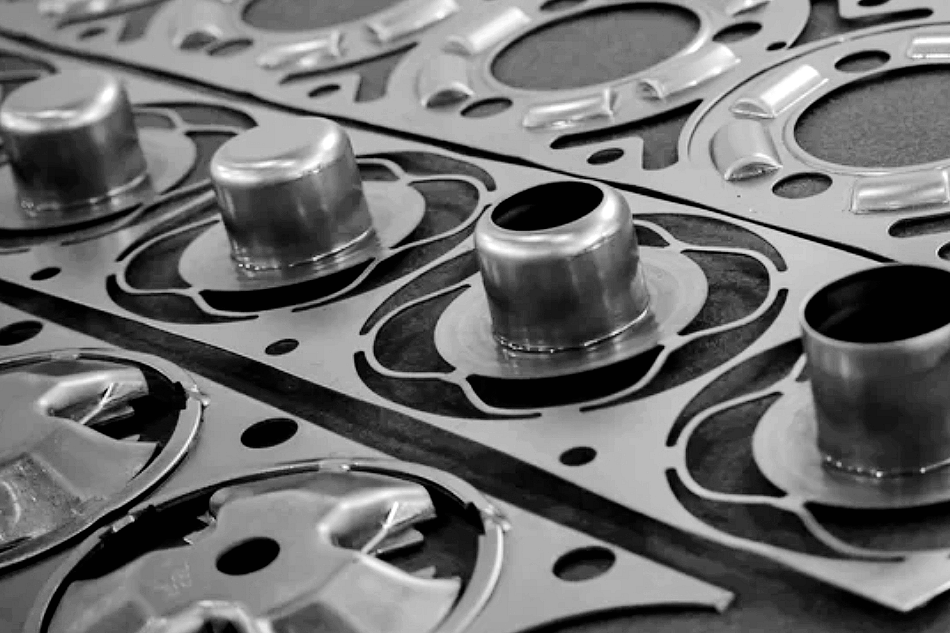
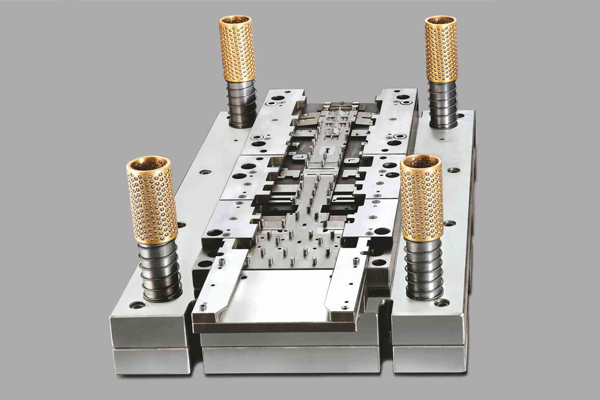
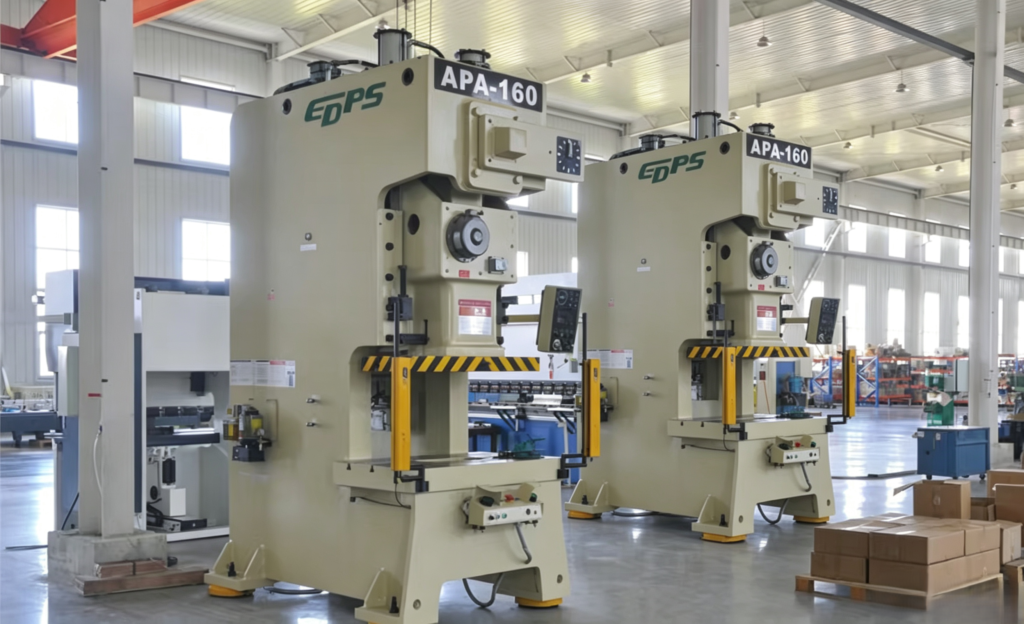
A press and a die are used in stamping to cut or shape sheet metal. Typical operations include blanking, punching, bending, drawing and embossing. Dechen provides progressive, drawn and transfer stamping.
Sizes stay within ±0.05 mm, even in mass production. The sheet can be 0.2 mm to 8 mm thick. Parts can be as thin as 0.005 in. Presses run from 10 to 600 tons. Surface roughness is Ra 1.6 to 3.2 μm. Dechen makes the dies in its own factory for its custom metal stamping services.
Deep Drawing for Seamless Hollow Shapes
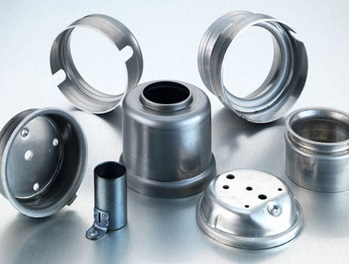
In deep drawing, a flat blank is forced into a die by a punch. A blank holder prevents the metal from buckling. The outcome is an open, hollow element, such as a cylinder, a box or a stepped form.
Blanks can be up to 48 in wide. Finished parts are ½ in to 24 in wide and up to 24 in deep. Height stays within ±0.1 mm. Progressive dies make up to 800 pieces an hour. The walls are seamless, with no voids.
CNC Machining for Complex, Tight-Tolerance Work
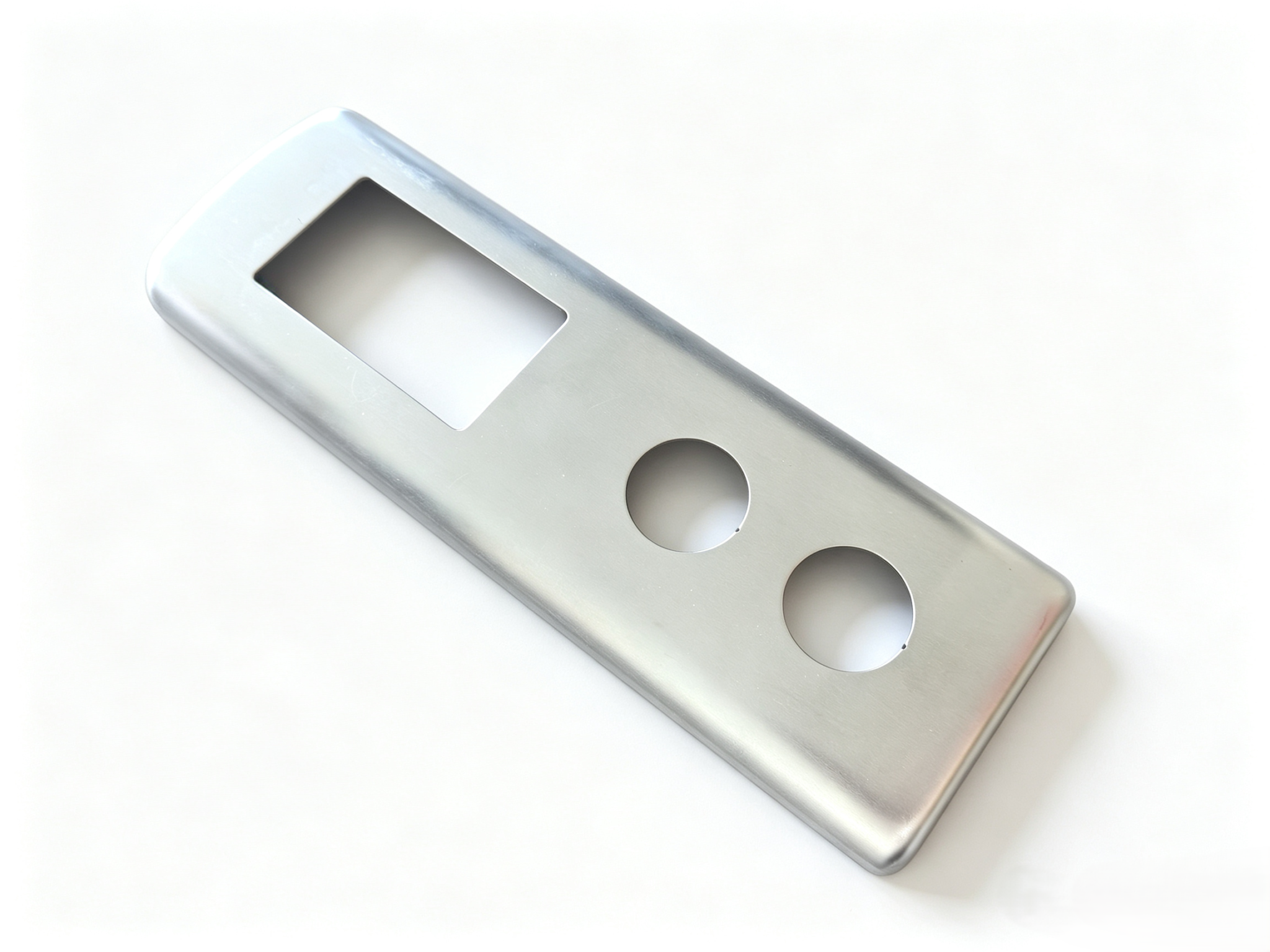
CNC machining cuts metal away from a solid block. Dechen uses 5-axis milling, turning, wire EDM and careful deburring.
Its machines are set to within ±0.0001 in. A standard part holds ±0.01 mm. This suits complex parts with fine details. Dechen lists each method under its CNC machining solutions.
Sheet Metal Fabrication Without a Die
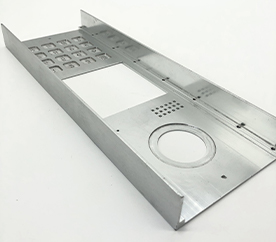
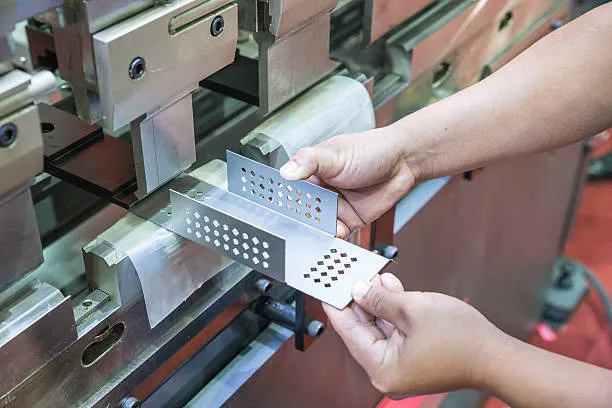
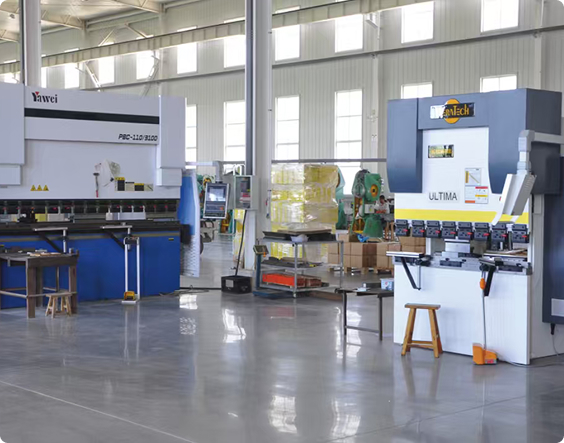
Sheet metal fabrication cuts and bends flat sheet metal. No die is required. Dechen employs laser cutting, CNC punching and CNC panel bending. The parts are linked via MIG, TIG or spot welding. Riveting and assembly do the rest
The turnaround time is 5 to 10 days. Common pieces include enclosures, brackets, panels and chassis. Bends are plus or minus 0.2 mm.
Metal Manufacturing Process Comparison Chart
All numbers here come from Dechen’s own website.
Four Processes Side by Side
| Factor | Stamping | Deep Drawing | CNC Machining | Sheet Metal |
|---|---|---|---|---|
| Best part shape | Flat parts with holes and bends | Seamless hollow parts | Complex 3D parts | Enclosures, brackets, panels |
| Typical tolerance | ±0.05 mm | ±0.1 mm (height) | ±0.01 mm | ±0.2 mm (bending) |
| Needs a custom die? | Yes | Yes | No | No |
| Best volume range | High, 500,000+ pcs a year | High, up to 800 pcs an hour | Prototypes and small batches | Prototypes and short runs |
| Standard lead time | 5 to 25 business days | 5 to 25 business days | Not published | 5 to 10 days |
| Main limit | Die needs volume to pay off | Open hollow shapes only | Material is cut away | Looser bend tolerance |
Does Your Part Geometry Point to One Process?
Start with the form. Flat sections with holes and bends are suitable for stamping or sheet metal. Deep drawing is used for deep portions with a closed bottom. CNC is well suited to undercuts, pockets and 3D forms.
You can carve a hollow section out of a solid block, but that wastes metal. Deep drawing makes 30% to 50% less scrap than machining or welding. Sizes and die types are on the deep-drawn parts service page.
How Production Volume Shifts the Math
A die costs a lot at the start. “The more parts there are, the cheaper each part is.” Stamping processes around 500,000 pieces each year. The die cost is spread over all those sections.
CNC machining and sheet metal have no need for a forming die. So they fit prototypes and limited runs. For a small order, the sheet metal fabrication service is the simple route.

When Is Tooling Investment Worth It?
Tooling investment pays off when the die makes enough parts. You only pay for the die once. It shares that expense with each piece it creates. Dechen claims a die lasts between 300,000 and 1,000,000+ cycles.
For a little job it typically is not worth it to make a progressive die. Drawn stamping is generally suited to a few basic elements. Your part design determines the die pricing from Dechen. Prices are covered in the metal stamping die cost article.
Which Process Holds the Tightest Tolerances?
CNC machining offers the finest tolerance. The standard is ±0.01mm. Tight limitations drive up cost, so utilize them only when the part requires them. Dechen provides the same advise on its sheet-metal site.
Tolerance for Each Process
- CNC machining: ±0.01 mm standard, and machines accurate to ±0.0001 in
- Stamping: ±0.05 mm
- Deep drawing: ±0.1 mm on height
- Sheet metal: ±0.2 mm on bends, and punching to ±.001 in
How Material Choice Narrows the Options
The chosen metal may eliminate a procedure. Deep drawing for these metals: Steel SPCC/SPCD Stainless steel 304 and 316 Aluminum 5052 and 6061 Copper alloy Use of high strength steel (HSS) is increasing.
You may send in your own stuff or Dechen can purchase the material. Before you seal the design, check the metal. A DFM assessment catches a terrible match early.
A 5-Step Process Selection Checklist
- Check the part geometry, or shape.
- Count how many parts you require yearly.
- Compare the die cost to the number of pieces.
- Mark the sizes that should be snug.
- Choose the metal and then ask for a DFM assessment.
Four Habits That Raise the Price
- Requesting tight sizes on all features
- Buy a die for extremely small order
- Machining a hollow portion from a solid block when a draw might do the job
- Locking the design for DFM review
When One Part Needs More Than One Process
Some sections require more than one processing. One progressive die run may trim, draw and punch. Then deep drawn pieces may be sent for CNC machining, anodizing, passivation or heat treatment. One purchase order can do it all.
Working With a Four-Process Supplier
Cangzhou Dechen Metal Products Co., Ltd. started in 2013. It is headquartered in Cangzhou, Hebei, China, Nanpi County. The plant has a surface of more than 10,000 m2. It has almost 80 sets of precise equipment. It covers four processes: stamping, deep drawing, sheet metal and CNC machining.
The quality system is certified to ISO 9001:2015, ISO 13485:2016 and AS9100D. Deep drawn parts are piece checked and sampled at a minimum rate of 5% every batch. Lead Time Stamping, Deep Draw and Sheet Metal Standard lead time is 5 to 25 working days. The Dechen Metal company profile has more on the factory.
FAQs
How do you choose a manufacturing process for a metal part?
The best process is the one that fits your part shape, order size and tolerance. Shape narrows the list first. Order size shows if a die pays off. Tolerance and metal remove the rest.
- A flat or hollow shape suits stamping or deep drawing
- A small batch suits sheet metal or CNC machining
What is the difference between stamping and deep drawing?
Stamping is a press process for flat or bent parts. Deep drawing makes hollow parts with no seams. The tolerance is also different.
- Stamping holds ±0.05 mm
- Deep drawing holds ±0.1 mm on height
Is stamping cheaper than CNC machining?
Stamping is cheaper for large orders. All the parts share the die cost. For small runs, CNC machining can cost less because it needs no die.
Which process is best for low-volume metal parts?
Sheet metal fabrication is the best fit for small orders. It needs no die, and turnaround is 5 to 10 days. CNC machining is the other good choice.
Can deep drawing replace CNC machining for hollow parts?
Deep drawing can often replace CNC machining for hollow parts. It makes walls with no seams. It also makes 30% to 50% less scrap.
How fast can I get a quote?
Dechen sends a binding quote within 24 hours. Upload your 2D drawings or 3D CAD files. An NDA covers your files.
Conclusion
Check the shape, order size, die cost, tolerance and metal, in that order. A fair metal manufacturing process comparison starts with your drawing. Dechen Metal Machining makes parts by stamping, deep drawing, CNC machining and sheet metal fabrication.
One team can test each option on one part. Send your drawing for a free DFM review. It shows which process fits your part and budget before you pay for tools. For a binding price within 24 hours, request a custom quote.