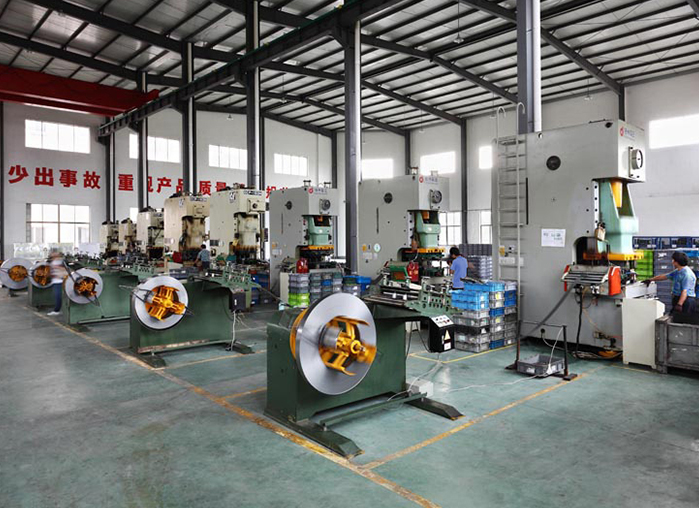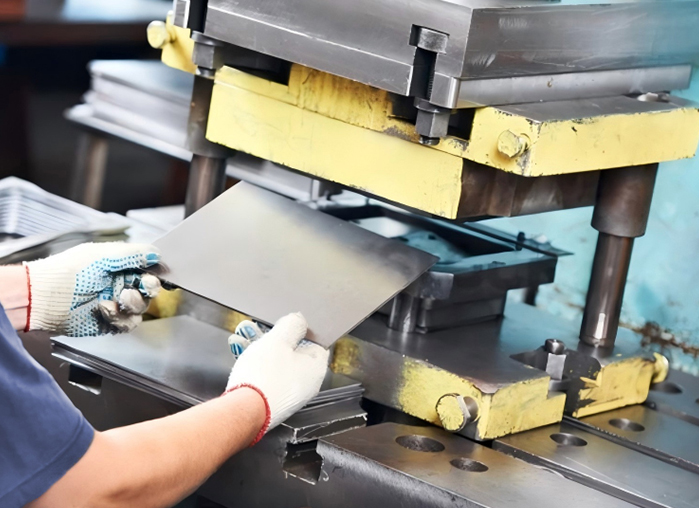
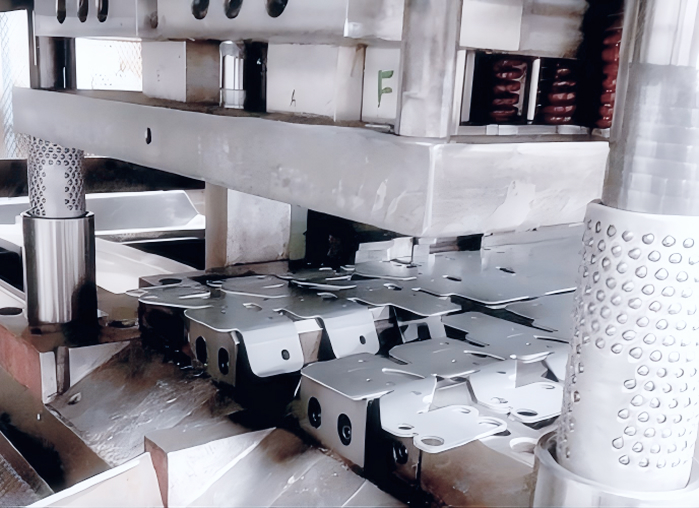
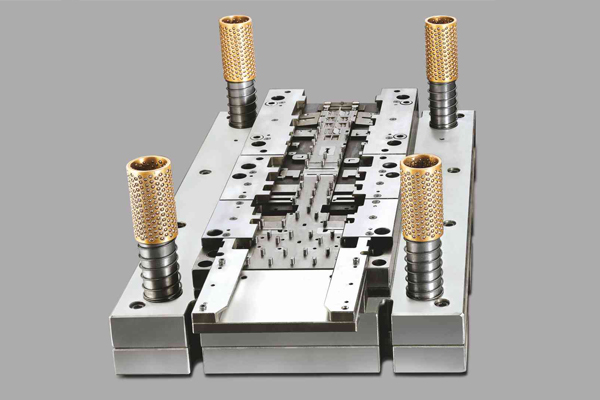
Metal stamping is a fast and efficient method of producing durable, high-quality custom components for a wide range of industries. Using custom-made stamping dies and precision stamping equipment, sheet metal is cut or formed into a desired shape. From complex parts to simple components, DC Metal Machining is ready to deliver uncompromising results paired with unparalleled customer service.
We leverage our full range of capabilities to produce your parts strictly according to your specifications.
Tooling investment is one-time, while per-unit cost decreases significantly for large production runs.
The smooth surface finish allows direct use or easy transition to secondary finishing like painting, plating, or anodizing.
Your best type of metal stamping will depend on your production goals and requirements. Output volume, uniformity needs, and component complexity all impact which type of metal stamping is the most efficient option.

Also called "prog" die stamping, this process moves strip metal through a line of progressive stamping press stations. Each station performs a specific function—such as bending, punching, or others—to produce complex parts. It is a fast, repeatable process that creates uniform components.
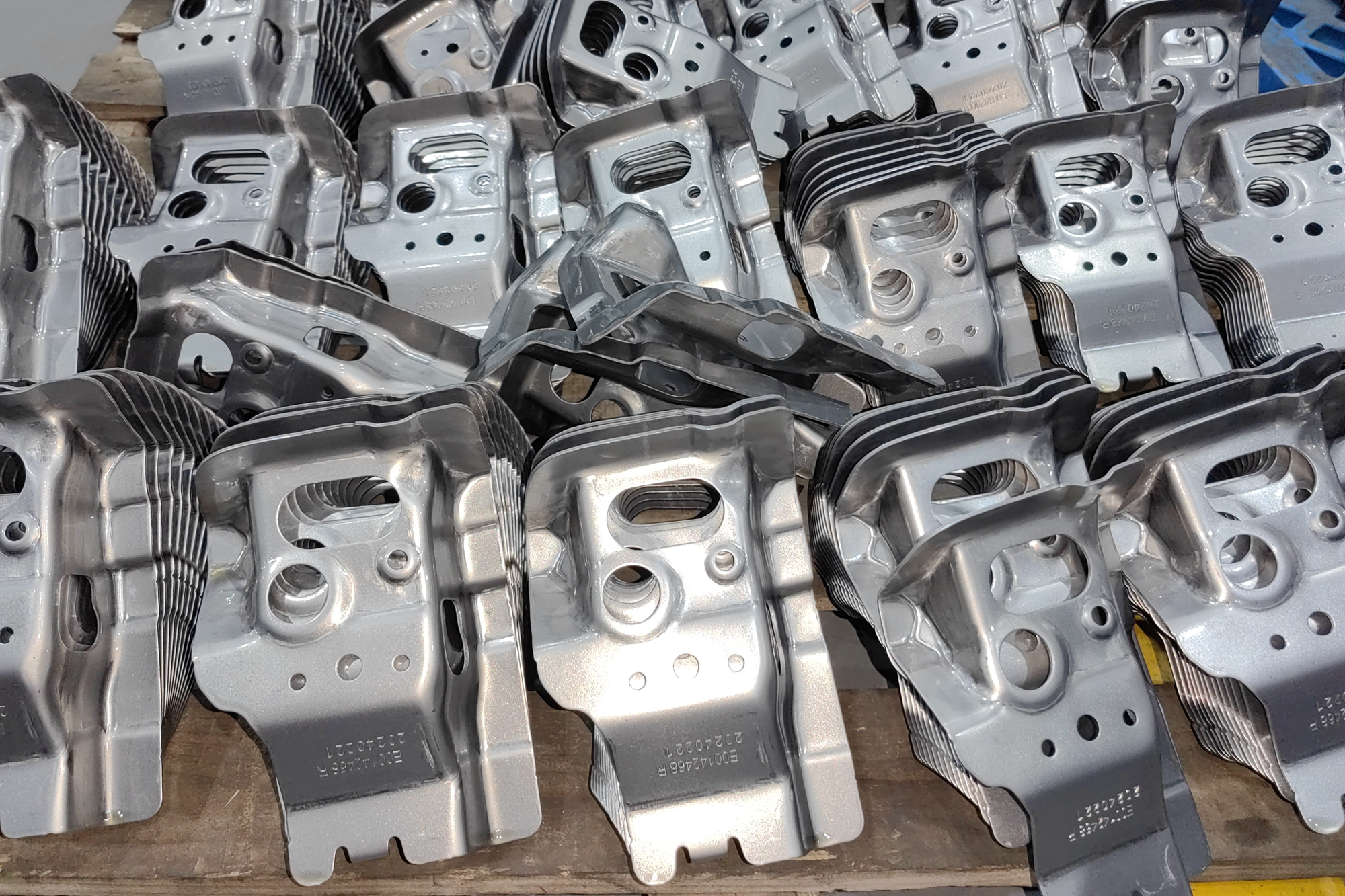
Using a punch to feed blanks into a die, drawn stamping is the ideal metal stamping process for products requiring shapes with extreme depth. Drawn metal stamping has a low material waste rate and is well-suited for low-volume production of simple parts.
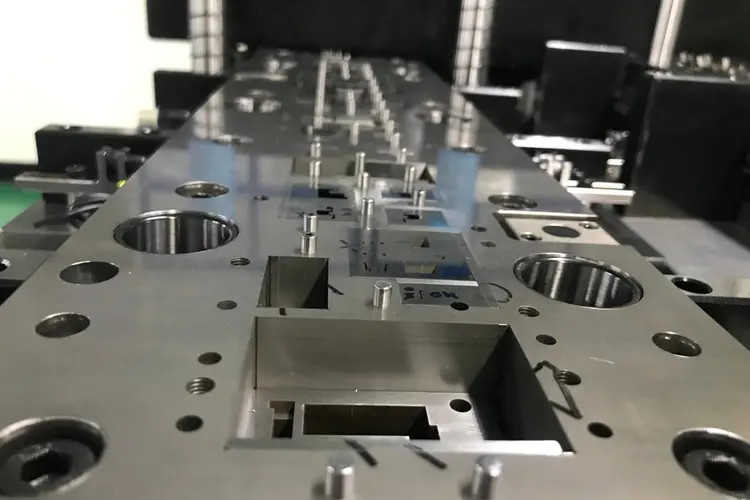
Our transfer stamping services are designed for high-volume, close-tolerance metal components that require multiple forming operations within a single, highly controlled process. Using automated transfer systems, DC Metal Machining efficiently moves parts between tooling stations to produce complex geometries, tight dimensional consistency, and superior repeatability.
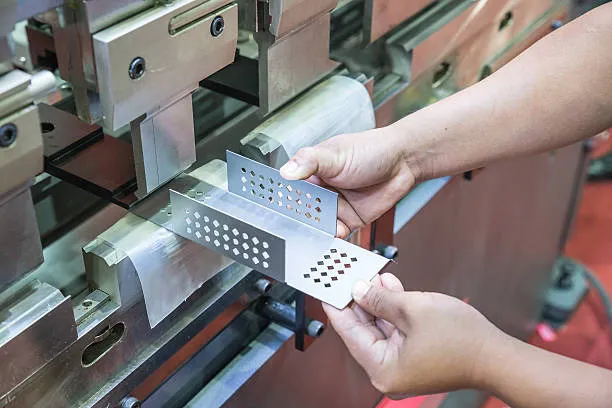
Need help determining which metal stamping method is right for your project? We’ll understand your application to determine your most efficient metal stamping process.
Custom metal stamping is completed with stamping dies typically manufactured from tool steel, which is hard enough to cut most other types of metal while maintaining your required tolerances. Various kinds of metal stamping techniques are used to create your desired result, and your best process may include:
Blanking removes a workpiece from the original metal to create your designated form. It is the opposite of punching, as the removed metal becomes the shape or blank.
Punching uses a die and a punch to cut sheet metal into your designated shape. Excess material is dispelled from the surface, and the remaining form creates your final part.
The metal sheet is bent and formed to match your shape specifications. The most common forms are L-, U-, or V-shaped, as this process is accomplished by bending a material around a single axis.
Using a compressive force, sheet metal is formed into a cavity or around the desired shape. Drawing is also sometimes referred to as forming.
Embossing uses a die to apply a shape onto metal material, imprinting the pattern or design onto the workpiece.
Other metal stamping and metal fabrication processes are available to match your unique specifications.
Below are some commonly used processing materials. Apart from the materials listed below, if you have any special material requirements, as long as they are available on the market, then we can also provide.
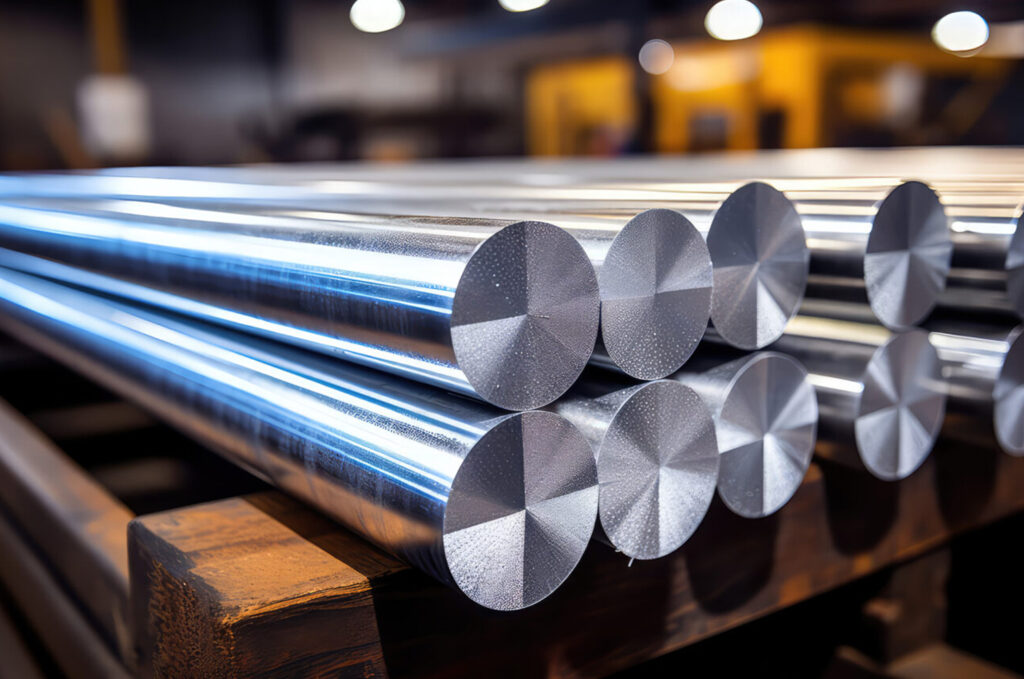
Grades: 1050, 1060, 1100, 3003, 5052, 5754, 6061, 6063, 6082, 7075
Features: Lightweight, excellent ductility, suitable for deep drawing and aerospace/electronics.
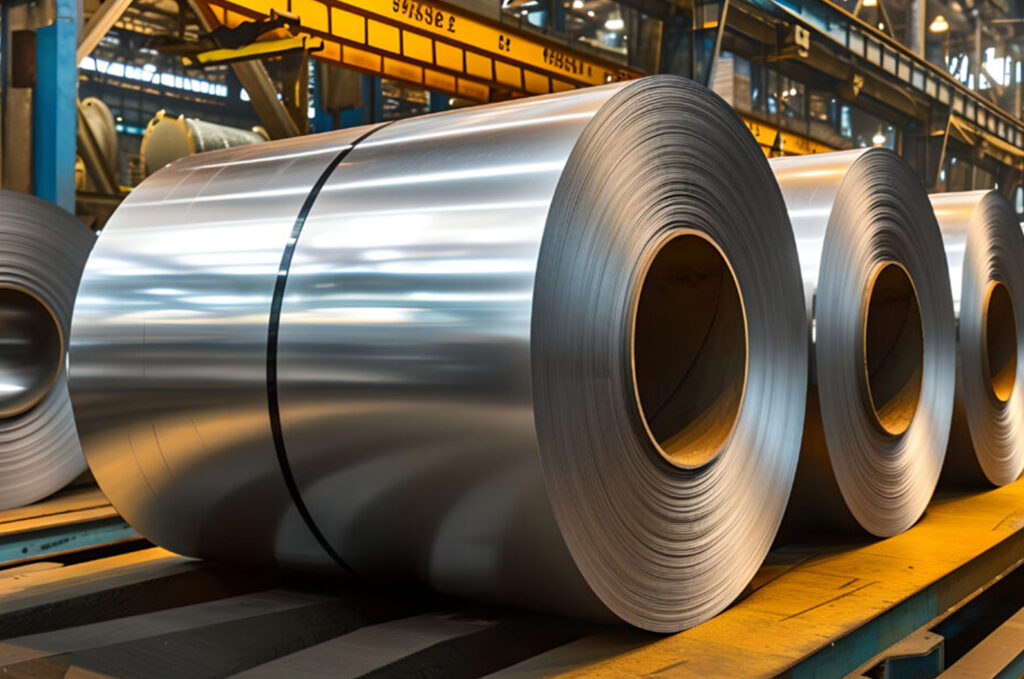
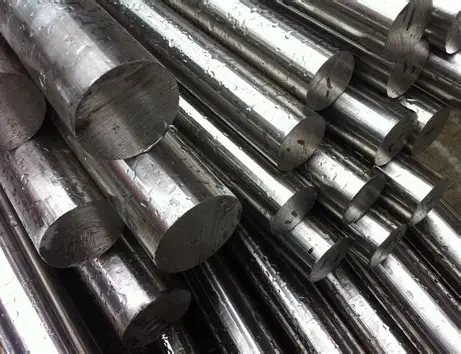
Grades: 301, 304, 316/316L, 321, 410, 420, 430, 440, 17‑4PH
Features: Corrosion‑resistant, high strength, ideal for deep drawing and precision stamping
Grades: 1005, 1006, 1008, 1010, 1017, 1018
Features: High strength, good formability; suitable for structural parts and stamped components
Features: High strength, lightweight, corrosion‑resistant; used in medical and automotive high‑end parts
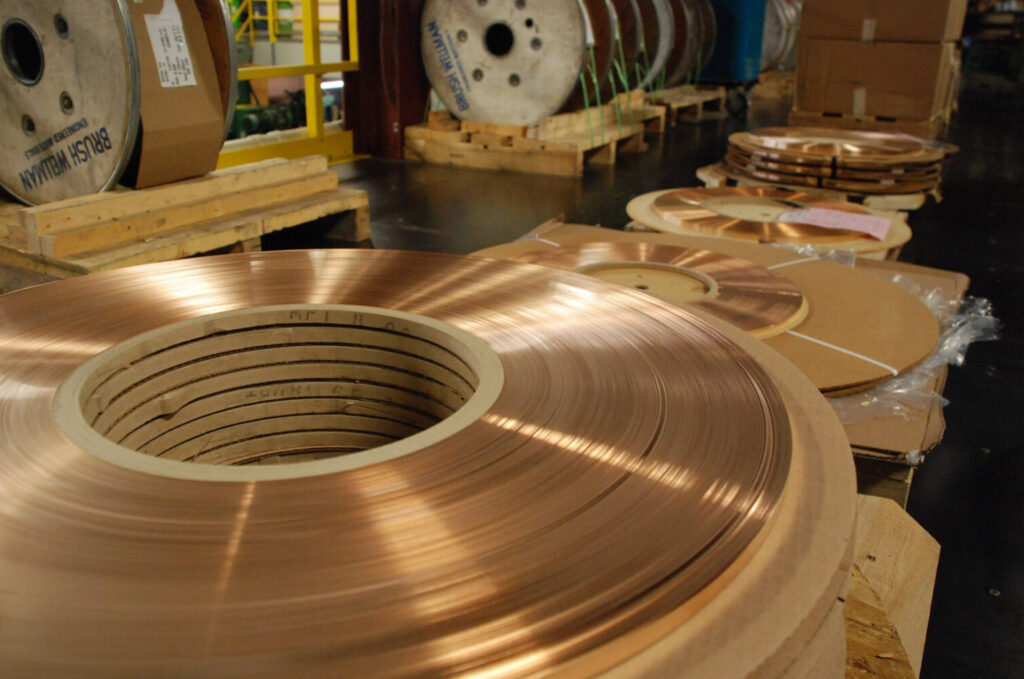
Grades: C101, C110, C145, C172, C173, C360, C464, etc.
Features: High conductivity, ideal for micro‑stamping and precision connectors
Features: High‑temperature and corrosion resistance; ideal for extreme environments and high‑performance components
DC Metal Machining Manufacturing has been the most trusted source for custom metal stamping, fabrication, and forming solutions for many years. For proof of our complete commitment to quality, explore examples of our past custom metal stamping work.

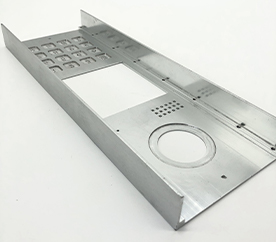
Custom made aluminum

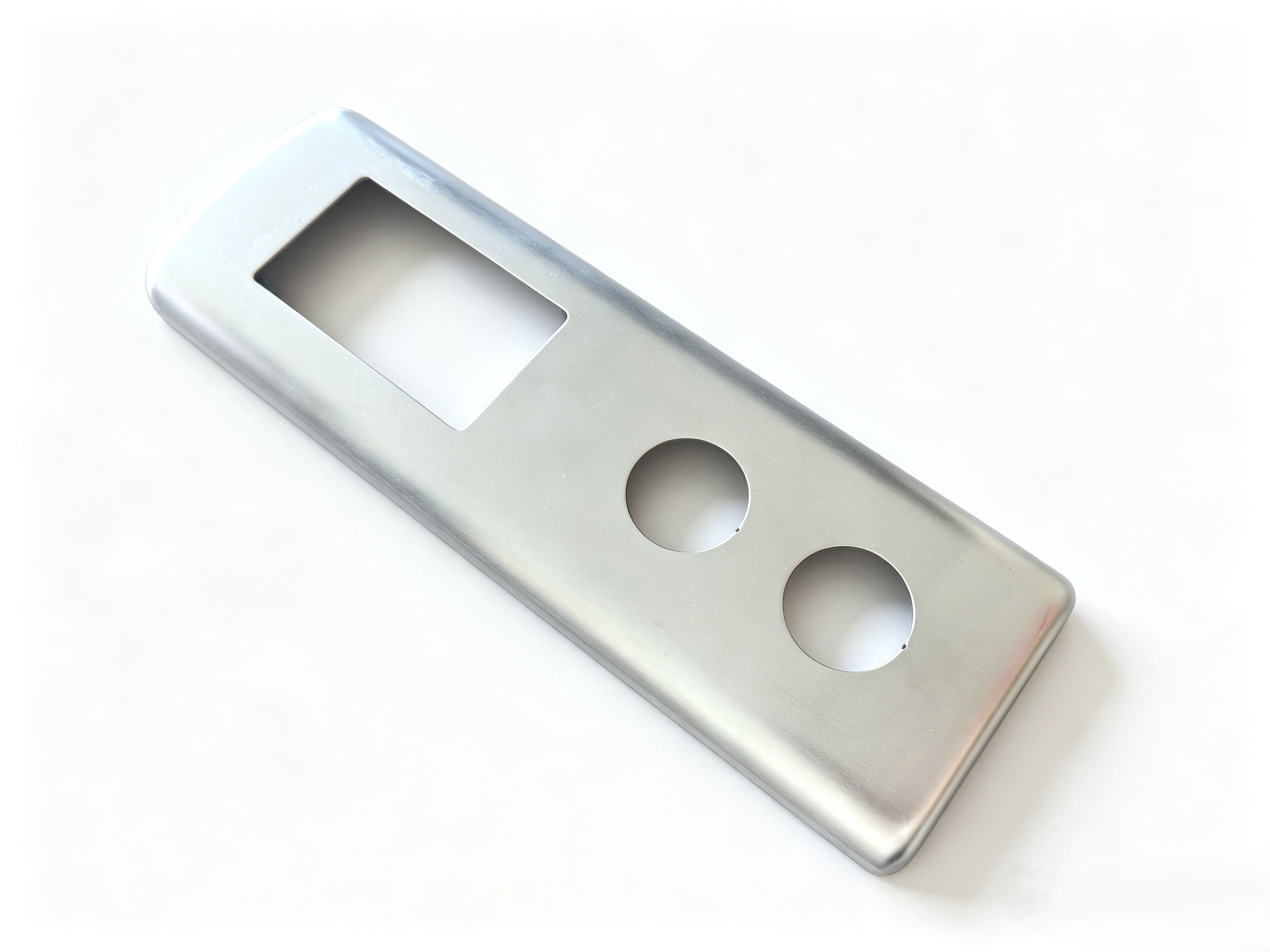
Custom made stainless steel
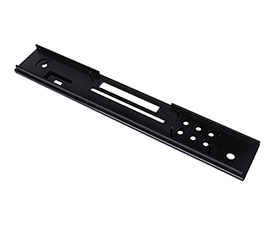
Customized aluminum
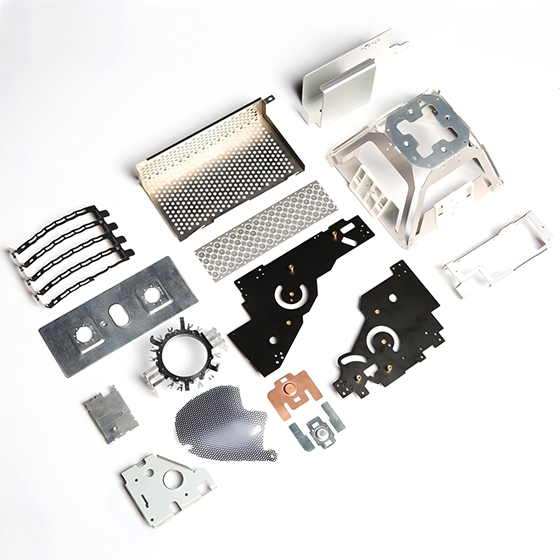
Customized OEM ODM
DC Metal Machining Manufacturing has been the most trusted source for custom metal stamping, fabrication, and forming solutions for many years. For proof of our complete commitment to quality, explore examples of our past custom metal stamping work.
Material Thickness
0.2 mm – 8 mm
Dimensional Tolerance
±0.05 mm
Maximum Press Force
10 – 600 Tons
Surface Roughness Ra
1.6 – 3.2 μm
Annual Output
≥ 500,000 pcs
Tooling Life
300,000 – 1,000,000 cycles+
As machined
Has a As-machined surface roughness of 3.2μm (126 μin), which removes sharp edges and deburs parts cleanly.
All metal
Mill finished
Satin
Sand blasting
A method that uses high-pressure gas or water to spray sand or other fine granular materials onto the surface of a metal machined product, in order to remove dirt or increase the surface roughness.
Aluminum, Stainless steel, Steel, Brass, copper
Mill finished
Matte
Anodized
Anodizing is an electrochemical process, mainly used to form a protective oxide film on the surface of metals (especially aluminum and its alloys). It can effectively prevent metal oxidation and corrosion, enhance wear resistance, and offer a variety of color options to improve aesthetics.
Aluminum
Silver, black, red, blue, green, yellow, grey, purple, gold, champagne
Smooth, matte
Alodine
The Alodine coating is formed on the surface of metals through a chemical reaction, creating a protective oxide film. This film can isolate the metal from air and moisture, thereby enhancing its corrosion resistance.
Aluminum
Silver, gold
Smooth, matte, glossy
Powder Coating
The surface of the powder-coated products is smooth and flat, with uniform color. It has extremely strong acid resistance, alkali resistance, impact resistance and wear resistance. It can withstand strong ultraviolet radiation and acid rain for a long time without any phenomena such as coating powdering, fading or peeling. Typical thickness ranging from 50 μm up to 150μm.
All metal
Any color as required
Glossy
Polishing
Polishing is the process of modifying the surface of a workpiece using flexible polishing tools and abrasive particles or other polishing equipment, with the aim of achieving a smooth surface or mirror-like luster. The surface roughness can generally reach Ra 0.8~Ra 0.1.
All metal
Mill finished
Smooth, Glossy
Electroplating
Electroplating is a process that uses electrolysis to attach a metal film to the surface of metal parts, thereby preventing metal oxidation, improving wear resistance, conductivity, reflectivity, corrosion resistance and enhancing appearance.
Aluminum, steel, Stainless steel
Gold, Silver, black, red, blue, colorful
Smooth, Glossy
Wire Drawing
The wire drawing process involves grinding the product to form lines on the surface of the workpiece, which can reflect the texture of the metal material and achieve a decorative effect.
Aluminum, steel, Stainless steel, ABS, brass
Gold, Silver, black, grey, bronze, champagne
Satin
Knurling
Rolling the handle on metal products or on other working surfaces involves the mechanical process of pressing patterns onto the surface through rolling. It is mainly used for anti-slip purposes.
All metal
Same as product
Matte
Painting
Spray the coating evenly on the surface of the product, then make it to dry and harden, forming a hard coating film. It has the functions of protection, aesthetics and marking.
All metal
Any color as required
Glossy, semi-glossy, highlight, Matte
Laser marking
A marking method that uses a high-energy-density laser to irradiate the surface of product, causing the vaporization of the surface material or a chemical reaction resulting in color change, thereby leaving a permanent mark. It can produce various characters, symbols, and patterns, and the size of the characters can range from millimeters to micrometers, which has special significance for product anti-counterfeiting.
All metal
As customer required
N/A
Screen printing
Screen printing is manufactured through photochemical or mechanical processing. By squeezing the ink and passing it through the screen plate, it is deposited on the surface of the substrate, therefore obtaining a large-area patterned film.
Aluminum, steel, Stainless steel, brass
As customer required
N/A
Passivation
Passivation reactions are widely applied in various industrial fields, such as chemical engineering, aviation, and automobiles. In these fields, passivation reactions can enhance the corrosion resistance, toughness and durability of metals, thereby extending their service life.
Aluminum, steel, Stainless steel, brass
Gold, Silver, grey, black
Smooth, Glossy
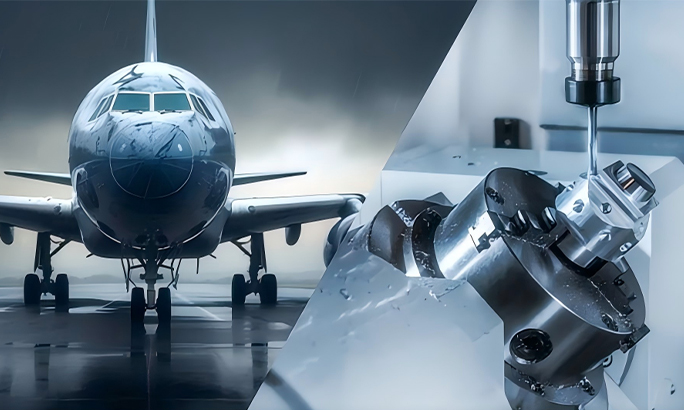
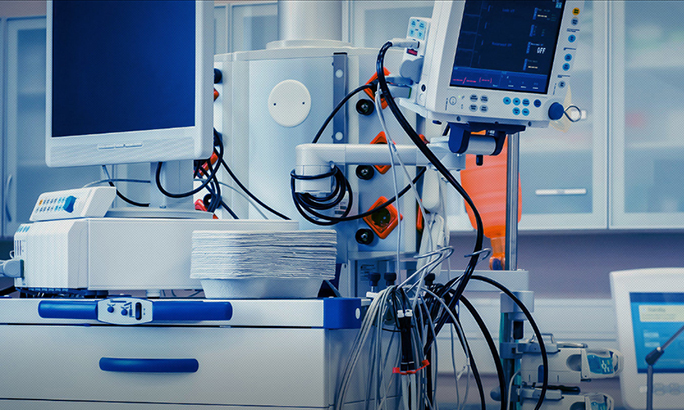
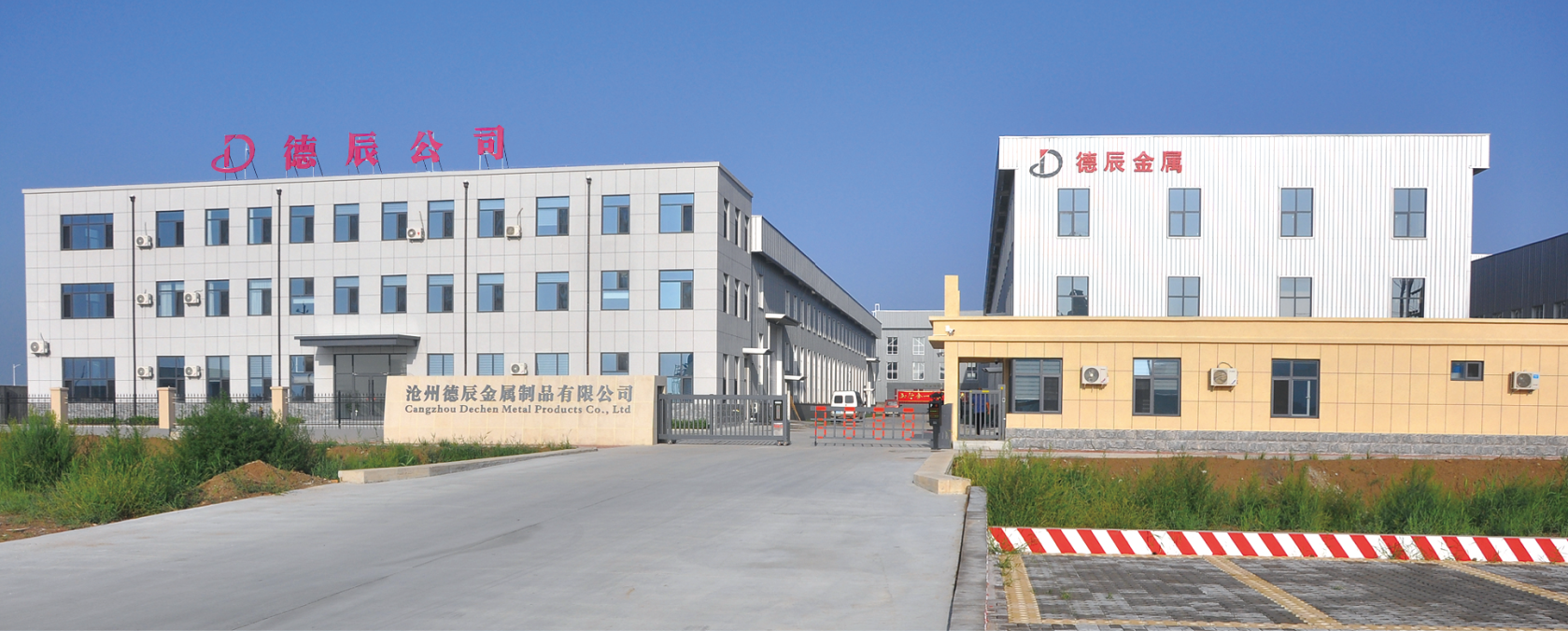
At DC Metal Machining, we provide custom metal solutions for a wide range of applications to commercial and industrial customers across multiple demanding industries. With an in-house tool and die shop at our facility, we guarantee the highest quality standards and fast turnaround times for all our custom metal stamping services.
We serve customers across all industries, delivering short-to medium-run custom metal stampings and sheet metal prototyping for parts of all shapes and sizes, backed by certifications and quality control processes. Our quality management system currently holds certifications for:
DC Metal Machining has been the most trusted source for custom metal stamping, fabrication, and forming solutions for over 10 years. Request a quote for your custom-stamped metal parts, or contact us to learn what we can do for you.
Contact us today to share your requirements and get a competitive quote. Let DC be your trusted strategic partner in China.
Upload your 2D drawings or 3D CAD models. Our engineering team will review your specifications, material requirements, and tolerances to provide a detailed, binding quotation within 24 hours.