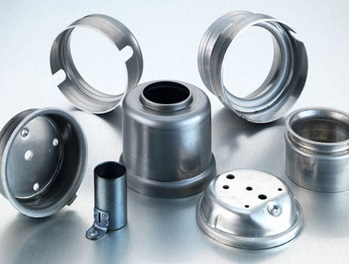
Why does a metal bracket look right on paper but not fit in the product? Dechen Metal Machining has made custom stamped parts for over 10 years. The key to metal stamping tolerances is simple. Give each feature its own number, not one number for the whole part.
Dechen Metal Machining states a size limit of ±0.05 mm for stamped parts. It holds this limit in mass production. This works on sheet from 0.2 mm to 8 mm thick. A feature on one flat face holds a tighter limit than a feature across a bend.
The limit also depends on the metal and the die.
Metal Stamping Tolerances in Plain Numbers
A tolerance is how far a size can be off from the drawing. Dimensional accuracy means every feature gets its own number. A hole, a slot and a bend each have a limit.
Dechen states ±0.05 mm for its stamped parts. It holds this number in mass production too. Ask any supplier to confirm theirs. Many industry guides list ±0.1 mm to ±0.5 mm for most sizes. So it is worth a check. You can see Dechen’s figures on its custom metal stamping services page.
Dechen’s Published Stamping Range
| Specification | Published range |
| Material thickness | 0.2 mm to 8 mm |
| Dimensional tolerance | ±0.05 mm |
| Maximum press force | 10 to 600 tons |
| Surface roughness Ra | 1.6 to 3.2 μm |
| Tooling life | 300,000 to 1,000,000+ cycles |
| Annual output | ≥ 500,000 pcs |
Flat Features Versus Formed Features
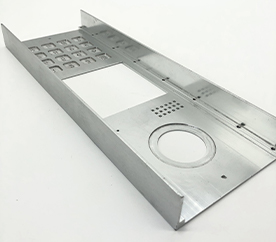
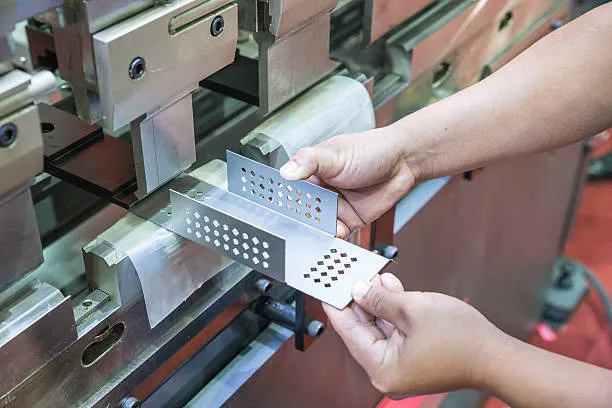
The die cuts all the holes on one flat face at the same time. So they stay close to each other. A size across a bend can shift a little. It needs a wider limit.
Dechen says it can make parts as thin as 0.005 inches. It also says its tolerances often beat industry standards.
Dimensional Accuracy Starts With the Die
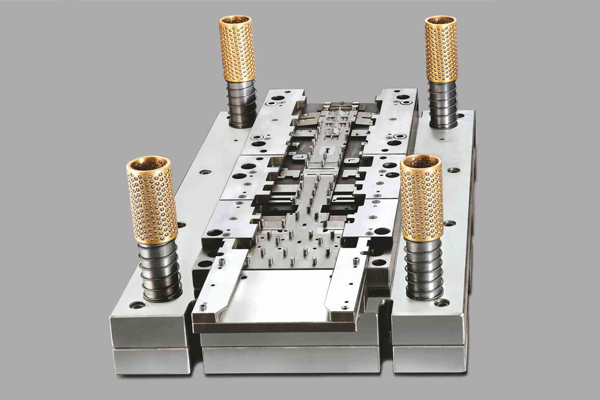
Dies are made from tool steel. This steel is hard enough to cut most other metals. It also keeps its shape, so sizes stay true. Dechen designs its dies with CAD/CAM software. It builds them in its own tool and die shop, so fixes stay in-house.
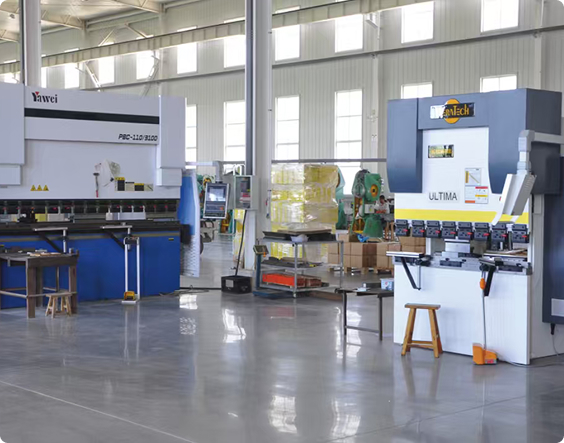
Small and large punch presses make both simple and complex parts.
Single, Progressive and Transfer Dies Compared
| Method | How the part moves | Best fit |
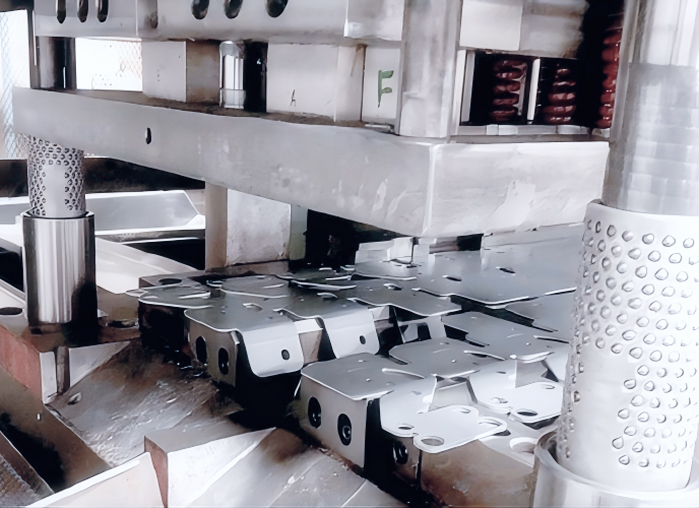
| Progressive die | Strip moves through stations, one job per station | Repeat runs that must all match |
| Drawn stamping | Punch pushes blanks into a die | Deep shapes, low-volume simple parts |
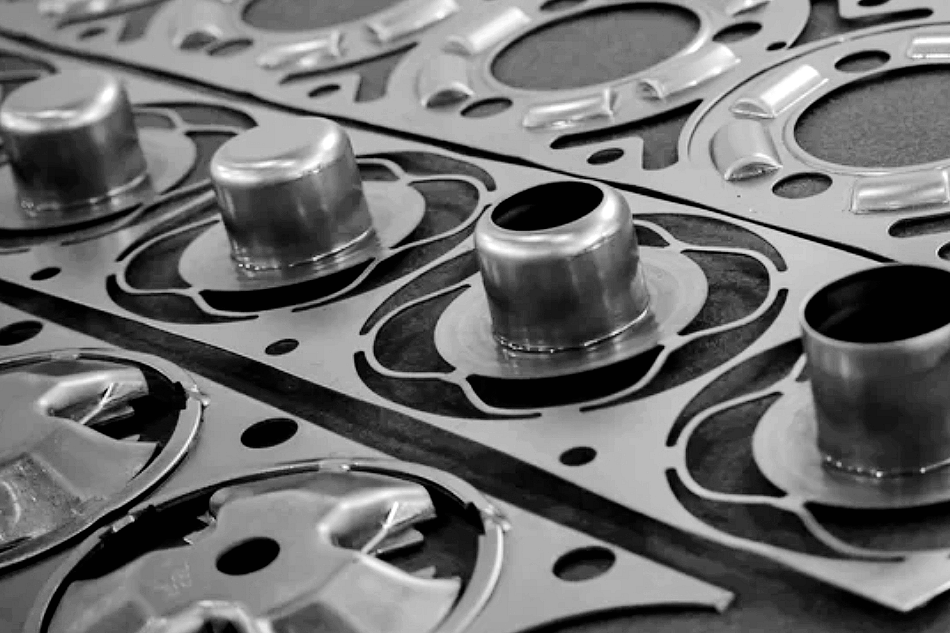
| Transfer stamping | Automated systems move parts between stations | High-volume, close-tolerance parts with several forming steps |
Hole Position Tolerance on Pierced Parts
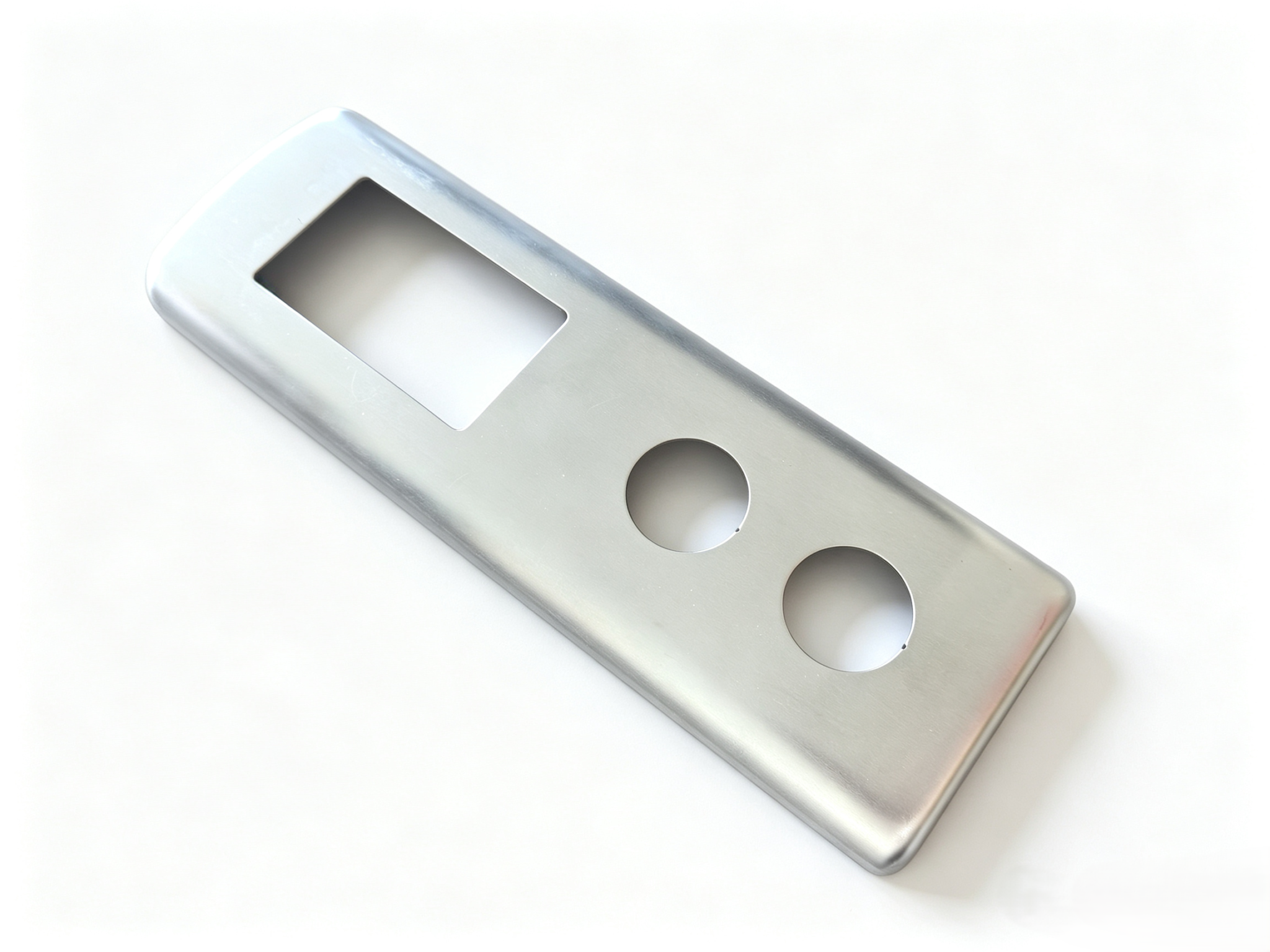
Hole position tolerance on where and when a hole is made. Holes made in the same station keep their spacing well on a flat face. A hole made after a bend picks up the bend error depends. So does a hole measured from a bent flange.
The gap between punch and die changes hole size and edge quality. So does the wear on the tool.
Dechen does not list a separate hole position tolerance on its site. Mark the key holes on the drawing. Confirm them when you ask for a quote.
Tip: Measure hole spacing from one datum, not from edge to edge across bends..
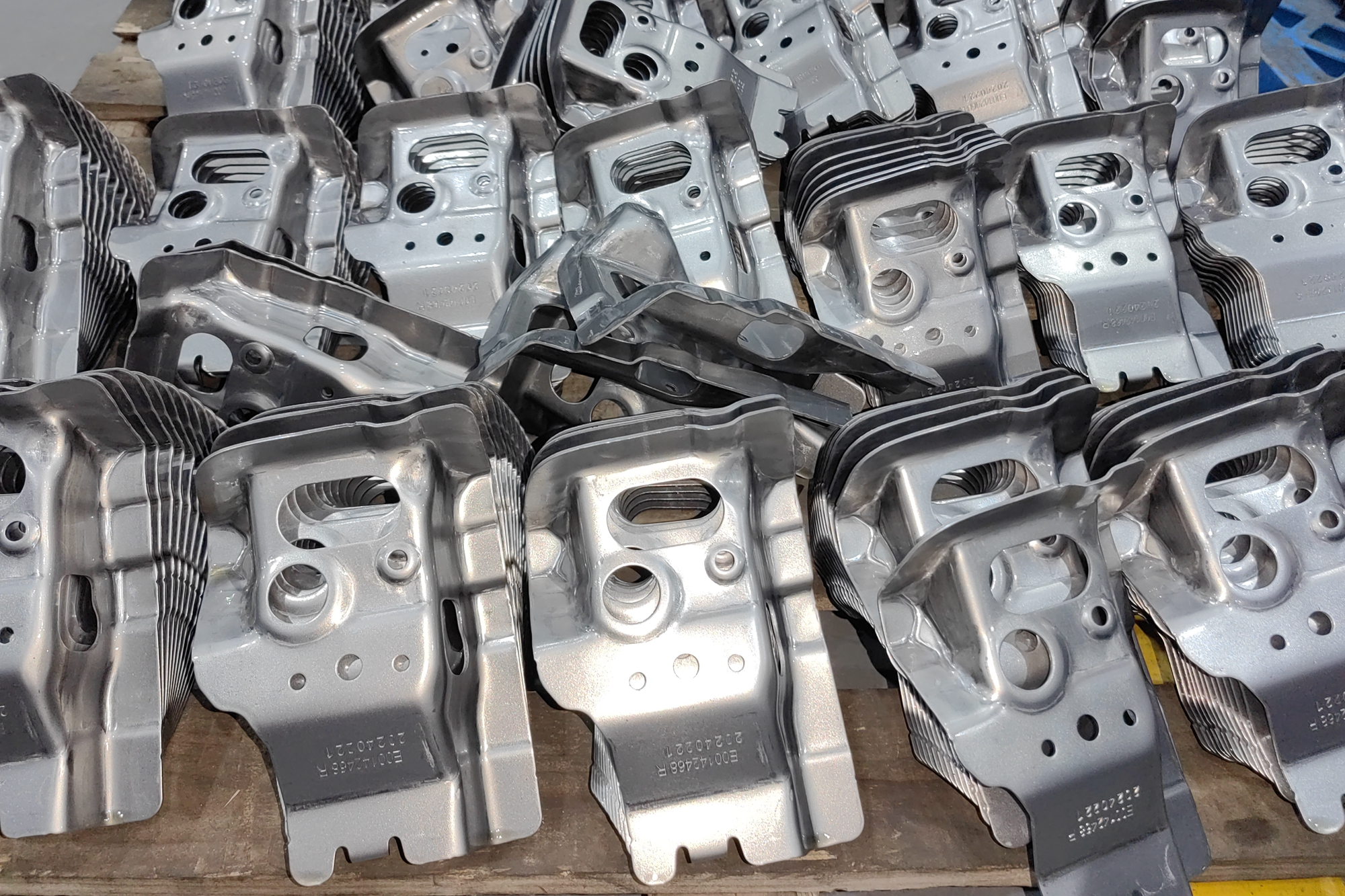
Bend Angle Tolerance and Springback
Springback is the small amount a metal opens back after the press lets go. It can change from one coil or batch to the next. The strength and thickness are not always the same. That is why bend angle tolerance needs more room than a flat cut.
Dechen plans for springback in its process. It uses over-drawing or shaping steps to make up for it. This work is part of its deep-drawn parts service .
Buyer tip: Put the final formed angle on the drawing. Let the stamper plan the over-bend..
Why Thicker and Harder Metals Spring Back Differently
Stronger metals spring back more after forming. So they usually need more over-bend. Sheet thickness and bend radius change the result too. Tell the stamper both early. They affect metal stamping tolerances on every bent angle.
How GD&T Makes a Drawing Clear
GD&T is a set of symbols on a drawing. They show where a feature sits, its shape and its direction. All of it is measured from fixed points called datums. A position symbol works well for hole patterns. A flatness symbol works for faces that join. An angle symbol works for flanges.
Use tight callouts only on features that affect fit or function. Leave other sizes at a general tolerance. DIN 6930-2 is one standard for general tolerances on stamped steel parts. It has four accuracy levels. Ask your stamper which callouts it can check before you order.
Material, Thickness and Die Wear
Dechen’s Six Material Groups
- Aluminum: light and easy to stretch into shape
- Stainless steel: strong and resists rust
- Cold rolled steel: forms well, good for structural and stamped parts
- Titanium: strong, light and resists rust
- Copper and beryllium copper: carries electricity well, good for tiny stamped parts and precision connectors
- Nickel alloys and Inconel: handle high heat and resist rust
The stamping material grades page lists every grade in each group.
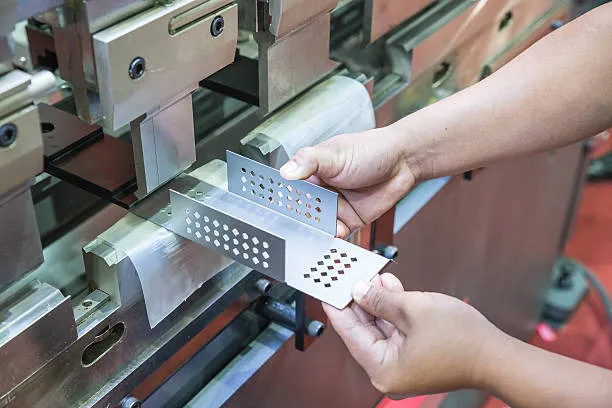
Hard metals wear out a die faster. These include stainless steel, titanium and Inconel. Regular die care keeps sizes steady. Dechen states a tooling life of 300,000 to 1,000,000+ cycles..
How Tight Tolerances Change Part Cost
Tight limits need more careful die work. They also need more test runs. Both add to the tooling cost.
Dechen’s sheet metal page says not to make tolerances tighter than you need. Tight tolerance raises cost a lot. Tooling is a one-time cost. The cost per part drops a lot on large runs. Dechen’s metal stamping die cost article shows what moves the price. Realistic metal stamping tolerances keep that cost low.
Rule: Use tight numbers only where the part must fit or work..
Drawing Mistakes That Cause Fit Problems
Most fit problems start on the drawing, not in the press. Clear limits mean the stamper does not have to guess.
Mistakes to Avoid
- One strict limit per size. It costs money and returns nothing.
- Hole spacing calculated over a curve, not from a single datum
- tool angle as shown in design, not the ultimate bent angle
- No material quality or thickness, although both influence springback
- No verification of essential features when requesting a quote
How Dechen Checks Size From Sample to Shipment
Sample Approval Before Mass Runs
It begins with a free DFM evaluation, which is a check of your design. Then Dechen produces a sample. You like the size and quality. Next is batch production. Full inspection and shipping last. Dechen calls this its four-step custom production process.
Quality System and Certifications
Dechen examines the metal when it comes. It verifies parts again throughout manufacturing and then again before distribution. High-precision testing equipment is used by the QC team. Dechen is AS9100D, ISO 9001:2015, and ISO 13485:2016 certified.
Factory Scale and Focus
Dechen was founded in 2013 in Nanpi County, Cangzhou, Hebei. Its factory covers over 10,000 m². It has more than 80 sets of precision equipment.
Its work centers on one area: metal forming and precision processing. That includes stamping, deep drawing, sheet metal and CNC machining. The company profile of Dechen Metal Machining’s factory lists these figures..
What to Include in a Stamping RFQ
A full request gets you a quote faster. It also means fewer surprises later. Clear metal stamping tolerances start with a complete file.
RFQ Checklist
- Key sizes are indicated with datums, so each hole location tolerance is obvious
- Final bend angles and bend angle tolerance are not tool angles
- Material Grade Thickness
- Annual volume, since it determines the die type
- If needed, surface finish
- Files: 2D drawings or 3D CAD (STEP, STP, IGS, X_T, DWG, DXF, PDF, up to 50 MB), covered by an NDA
- Dechen sends a binding quote within 24 hours
FAQs
-
What metal stamping tolerances can Dechen hold?
Dechen sticks to ±0.05 mm on stamping sizes in large manufacturing. This works on sheet 0.2mm to 8mm thick. A size across a curve requires a greater tolerance than a feature on one flat face. On requesting a quotation check each major feature.
-
What affects stamping accuracy?
The die design and the tool steel set the base for dimensional accuracy. Press setup, material grade and thickness can add drift. So can springback and die wear over a long run.
-
How does springback change bend angle tolerance?
Springback means the metal opens back a little after forming. So the bend angle tolerance needs more room. The amount changes from one coil or batch to the next. The stamper bends a bit extra to make up for it.
-
Do tighter metal stamping tolerances increase stamping cost?
Yes. Tight limits need more careful die work and more test runs. Use them only where the part must fit or work. Keep other sizes at a general tolerance.
-
How fast can I get a stamping quote?
Dechen sends a binding quote within 24 hours of getting your drawing or CAD file.
Conclusion
Every feature on the part needs its own number. Plan for springback on every bend. Use GD&T only on the features that matter. Keep tight limits where they are worth the cost. Clear metal stamping tolerances on the drawing save rework later.
Dechen starts with a free DFM review, which is a check of your design. Send a drawing with the key sizes marked to Dechen Metal Machining and request a stamping quote . You get a binding quote within 24 hours.