How does a flat sheet of metal turn into a bracket that fits every time?
Dechen Metal Machining has made metal parts in Hebei, China since 2013. Best custom metal stamping is one of its main jobs. The team has seen that buyers do better when they know how it works.
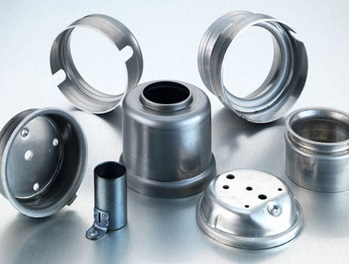
Custom metal stamping uses a stamping press and a stamping die to cut and shape sheet metal. The die is made for one part only. The press pushes the die down again and again. Every part comes out the same.
Best Custom Metal Stamping Explained in Plain Terms
Best custom metal stamping cuts and shapes sheet metal. It uses custom dies and precise stamping equipment. The parts are strong and used in many fields.
“Custom” means each die is made for one part only. The press uses it again and again. So the first part and the last part match.
Dechen Metal Machining offers the best custom metal stamping for simple and hard-to-make parts. The work runs from sample parts to mass production.
The Two Tools Behind Every Stamped Part
What a Stamping Press Does
A stamping press is the machine that pushes the die into the sheet. Dechen has small and large punch presses. The press force is 10 to 600 tons.
Why the Stamping Die Is Cut From Tool Steel
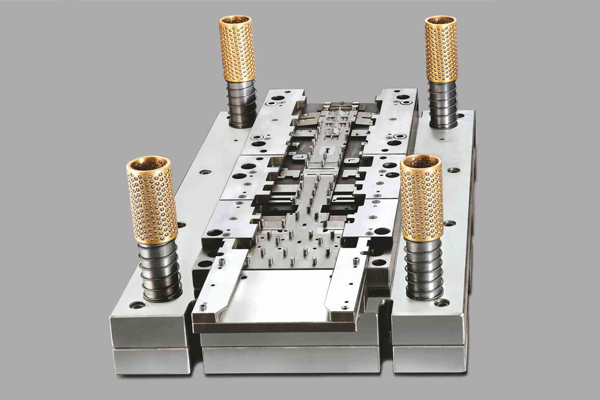
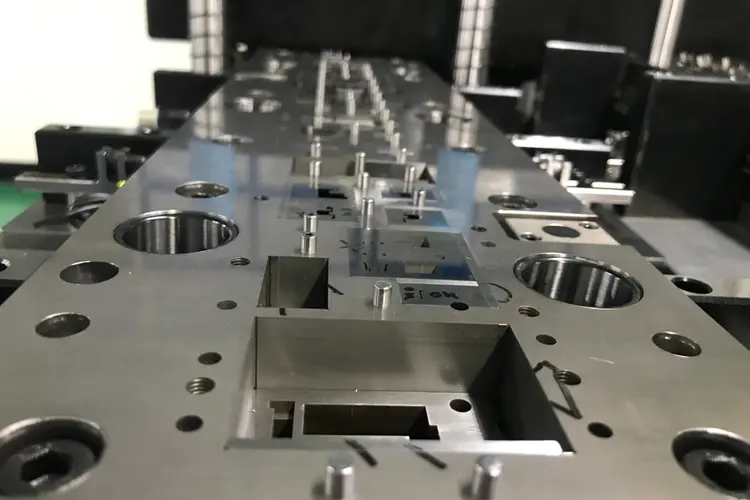
A stamping die is the tool that shapes the metal. It is made from tool steel. This steel is hard enough to cut most other metals. It also keeps each size within the set limit. That limit is called tolerance.
Dechen designs its dies with CAD/CAM software. It builds them in its own tool and die shop.
How Does a Flat Sheet Become a Formed Part?
A custom die and a stamping press turn the flat sheet into the part.
The Six Steps From Drawing to Shipment
- Send a drawing. The team does a DFM review to check the part is easy to make.
- The die is designed with CAD/CAM software.
- The die is built in-house from tool steel.
- A sample is made. It is checked for size and quality.
- Mass production starts after the sample is approved.
- The parts are checked and shipped.
Blanking, Punching and Other Key Operations
Best custom metal stamping shapes metal in five main ways. They are blanking, punching, bending, drawing and embossing.
Blanking vs Punching: Which Piece Is Kept?
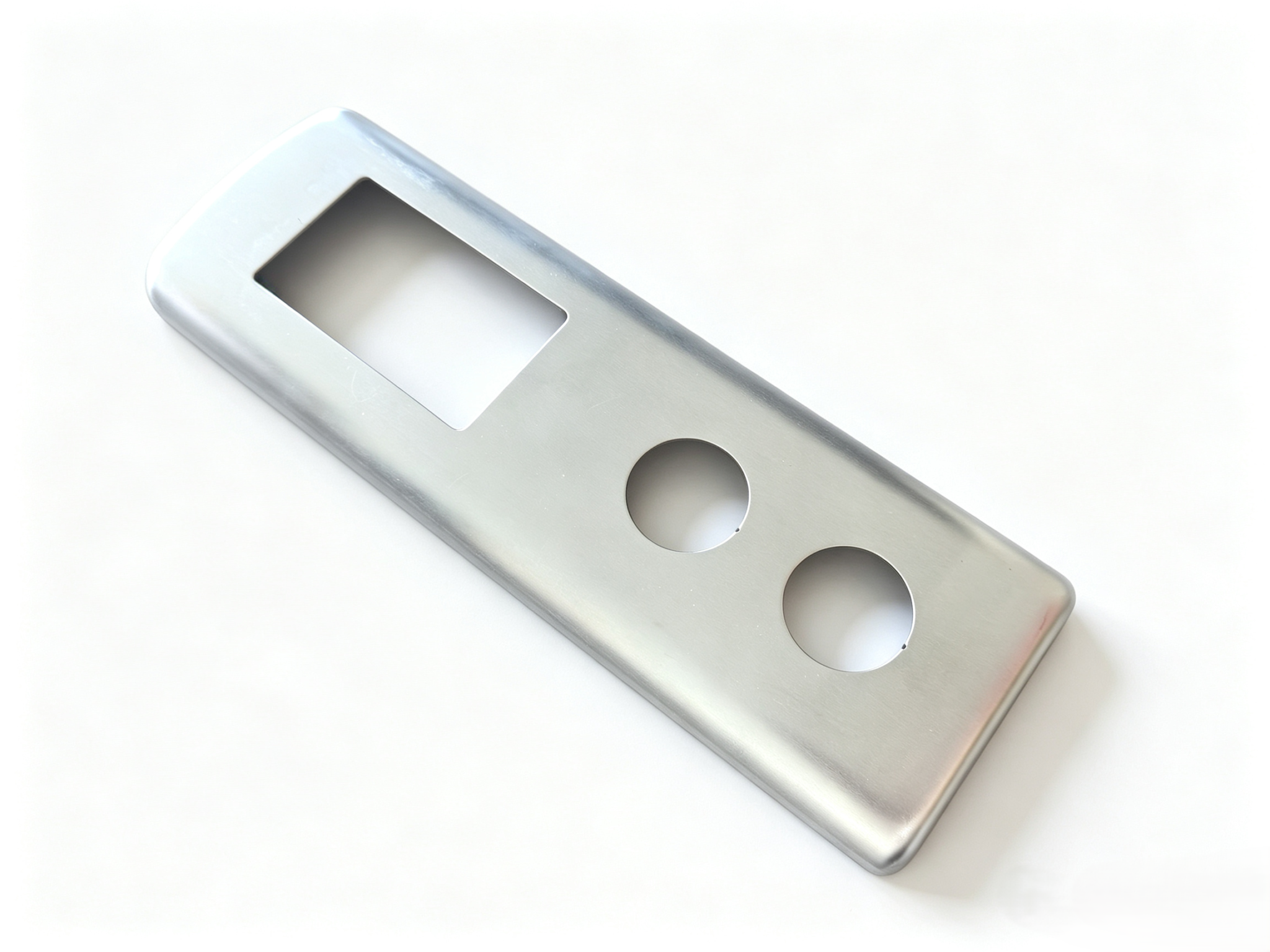
In blanking, you keep the piece that is cut out. In punching, that piece is scrap. You keep the sheet that is left.
Think of a cookie cutter. In blanking, you keep the cookie. In punching, you keep the dough with the holes.
Bending Along a Single Axis
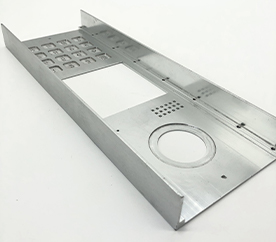
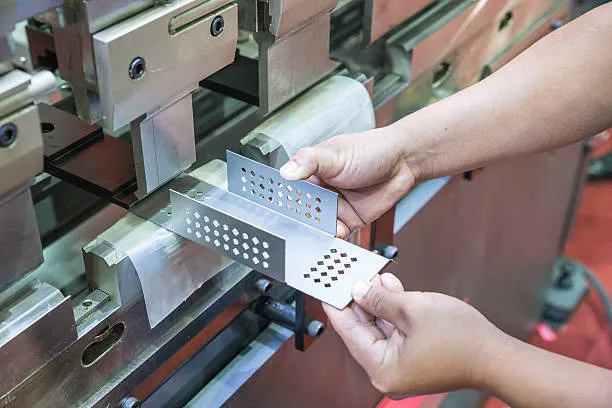
Bending folds the sheet along one line. It makes L, U and V shapes.
Drawing Metal Into Deep Shapes
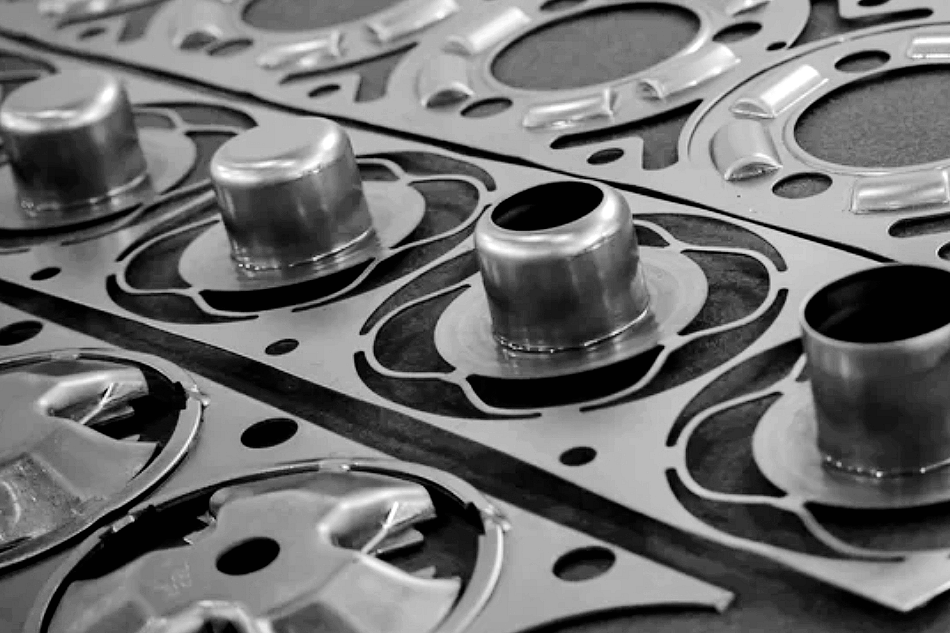
Drawing uses strong pressure to push the sheet into a hollow space. It is also called forming. For deep shapes, Dechen also offers a deep-drawn parts service.
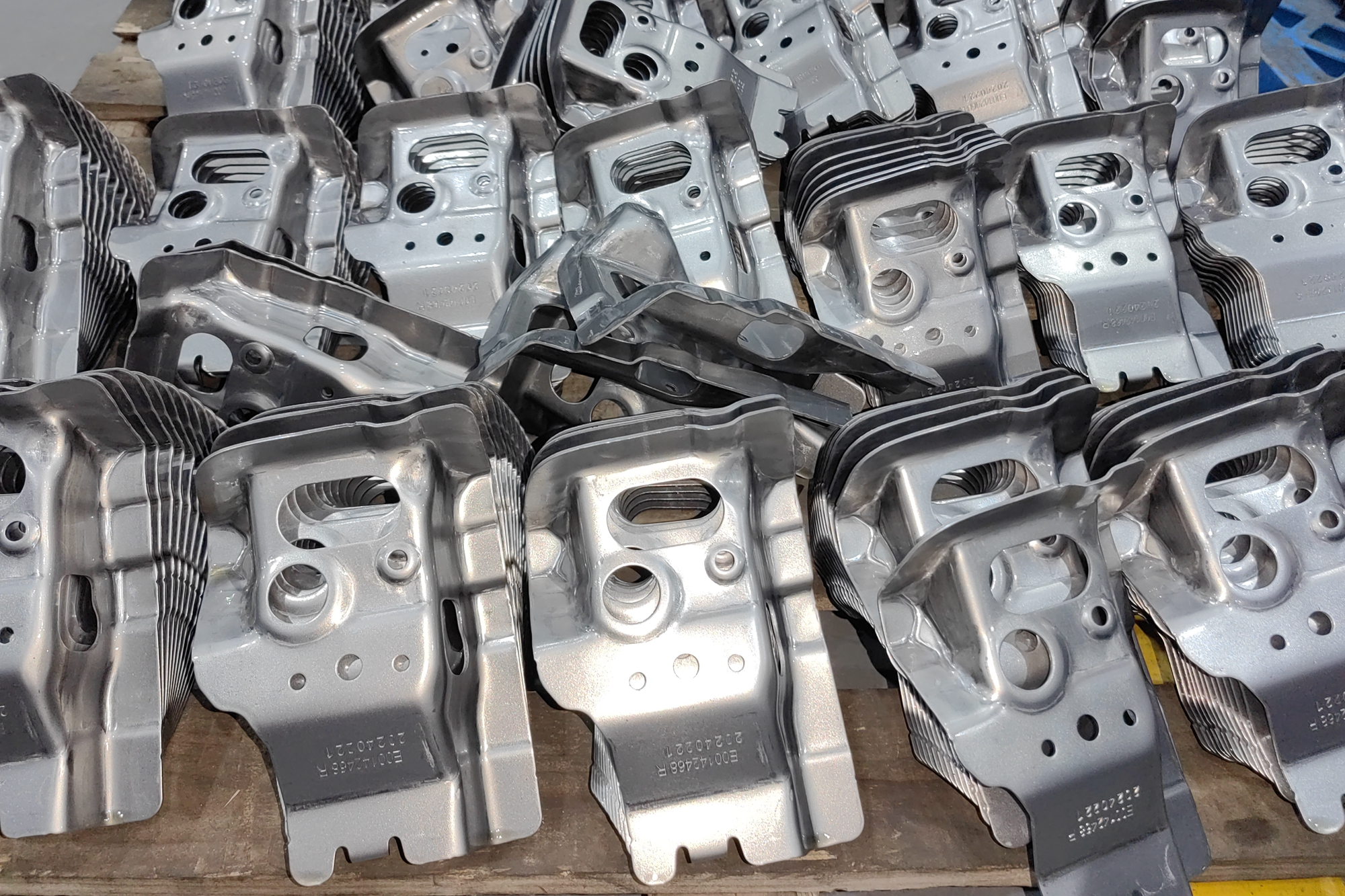
Embossing Patterns Onto the Surface
Embossing presses a pattern or design into the metal.
Progressive, Drawn or Transfer: Which Fits?
The best method depends on three things. They are how many parts you need, how alike they must be, and how complex the part is.
Progressive Die Stamping for Repeat Runs
A metal strip moves through a line of stations. Each station does one job, such as bending or punching. It is fast and gives the same part each time. Dechen explains how progressive die stamping works on its blog.
Drawn Stamping for Deep Shapes
A punch pushes blanks into a die. This method wastes little metal. It suits small runs of simple parts.
Transfer Stamping for Multi-Step Parts
Automated machines move each part from one station to the next. This method suits large runs of parts with close tolerances.
Three Stamping Methods Side by Side
| Method | Best for | Key trait |
| Progressive | Repeat runs | Fast and repeatable |
| Drawn | Deep, simple shapes | Low material waste |
| Transfer | High volume, close tolerance | Several forming steps in one process |
What Precision Can a Stamping Die Hold?
A stamping die can keep a size within ±0.05 mm. This is true in mass production, not only on the first sample. Dechen can also make parts as thin as 0.005 inches.
Published Stamping Specifications
| Specification | Dechen published range |
| Material thickness | 0.2 mm to 8 mm |
| Dimensional tolerance | ±0.05 mm |
| Maximum press force | 10 to 600 tons |
| Surface roughness Ra | 1.6 to 3.2 μm |
| Tooling life | 300,000 to 1,000,000+ cycles |
| Annual output | ≥ 500,000 pcs |
Choosing the Right Sheet Metal for the Job
The right metal depends on what the formed metal parts must do. Dechen works with six metal groups.
Metals and Grades at a Glance
- Aluminum (1050, 1060, 1100, 3003, 5052, 5754, 6061, 6063, 6082, 7075): light, and it stretches and bends very well.
- Stainless steel (301, 304, 316/316L, 321, 410, 420, 430, 440, 17-4PH): resists rust and is very strong.
- Cold rolled steel (1005, 1006, 1008, 1010, 1017, 1018): easy to form. It suits parts that hold a load.
- Copper and beryllium copper (C101, C110, C145, C172, C173, C360, C464): carries electricity well. It suits very small stamped parts and precise connectors.
- Titanium: strong, light and resists rust.
- Nickel alloys and Inconel: stand up to high heat and rust.
Any other metal on the market can be supplied on request. More grades are on the stamping materials and grades page.
When Does Stamping Cost Less Per Part?
Stamping costs less per part on large runs. The die is a one-time cost. As you make more parts, the cost of each part drops a lot.
A die lasts 300,000 to 1,000,000+ cycles. That spreads its cost over many parts. For small runs of simple parts, drawn stamping is often the better choice. Many buyers ask what a die costs. The stamping die cost guide answers that.
Where Formed Metal Parts Are Used Today
Formed metal parts are used in the automotive, aerospace, medical, hardware and electronics fields. In electronics, they make enclosures and housings. They are also used in electric power, home appliances and farming.
Finishes That Often Follow Stamping
The smooth stamped surface can go straight to painting, plating or anodizing.
- Anodizing suits aluminum.
- Powder coating is usually 50 μm to 150 μm thick.
- Electroplating works on aluminum, steel and stainless steel.
A Look Inside Dechen’s Stamping Workshop
Factory Scale and Equipment
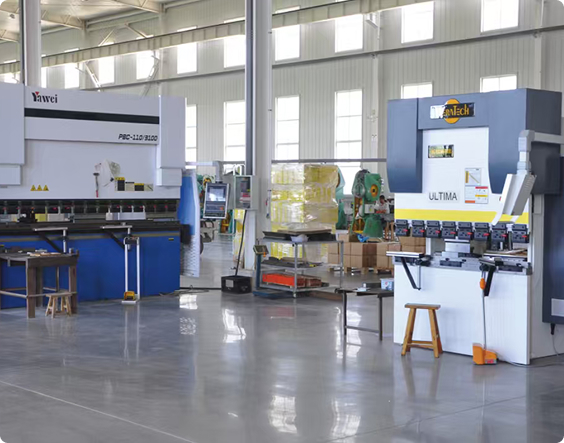
The work happens at Dechen’s factory in Hebei. It was founded in 2013 in Nanpi County, Cangzhou. The factory space is over 10,000 m². It has more than 80 sets of precision equipment. The team focuses on one area: metal forming. This covers stamping, deep drawing, sheet metal and CNC machining.
Quality System and Certifications
Every stage of our best custom metal stamping is checked. The team checks the incoming metal, the parts during production, and the finished product. The certifications are AS9100D, ISO 9001:2015 and ISO 13485:2016.
Quote Speed, Files and NDA
- The engineering team sends a binding quote within 24 hours.
- You can send STEP, STP, IGS, X_T, DWG, DXF and PDF files, up to 50 MB.
- Every project has an NDA, so your files stay private.
- Orders can start at a prototype and go up to mass production.
FAQs
What metals can be used for custom stamping?
Dechen stamps aluminum, stainless steel, cold rolled steel, titanium, copper and beryllium copper, and nickel alloys and Inconel. Each one has its own strength, such as low weight or rust resistance. Other metals on the market can be supplied on request.
What is the difference between blanking and punching?
Blanking and punching both cut sheet metal. In blanking, the piece that is cut out is the part. In punching, that piece is scrap, and the sheet that is left is the part. The only difference is which piece you keep.
How thin can a stamped metal part be?
A stamped part can be as thin as 0.005 inches. The usual thickness range is 0.2 mm to 8 mm. Dechen keeps sizes within ±0.05 mm, even in mass production.
Can custom metal stamping be used for prototypes?
Yes, custom metal stamping works for prototypes. Dechen offers metal stamping for sheet metal prototyping. A sample is checked before mass production starts. The same team can then handle the full order.
How long does a stamping die last?
A stamping die lasts 300,000 to 1,000,000+ cycles. A long die life is one reason large runs cost less per part. The one-time cost of the die is shared across many parts.
How fast can I get a stamping quote?
The engineering team sends a binding quote within 24 hours. Send a 2D drawing or a 3D CAD model. You can use STEP, STP, IGS, X_T, DWG, DXF or PDF files, up to 50 MB. Every project has an NDA.
Conclusion
A stamping press and a stamping die do the work. They shape the metal in five ways: blanking, punching, bending, drawing and embossing. Three methods fit different run sizes. A tolerance of ±0.05 mm keeps part sizes steady.
Dechen Metal Machining is a good fit if you want one team for both prototypes and mass runs. It builds its dies in-house. It holds AS9100D, ISO 9001:2015 and ISO 13485:2016 certification. Send a 2D drawing or 3D CAD model to request a stamping quote.