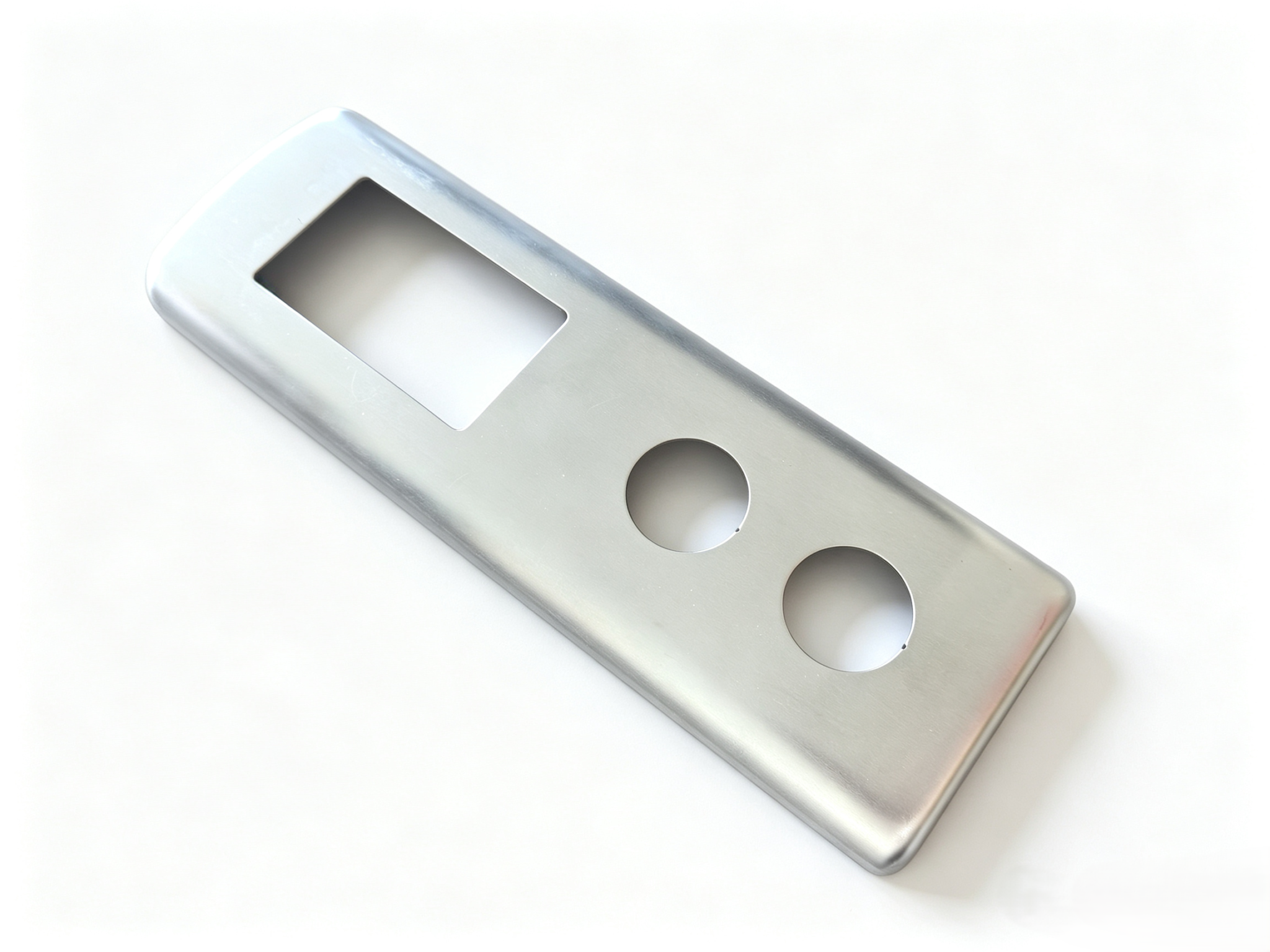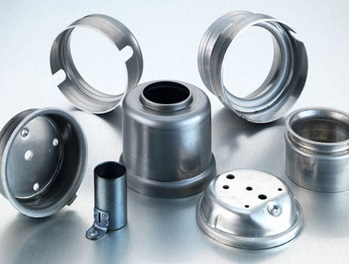
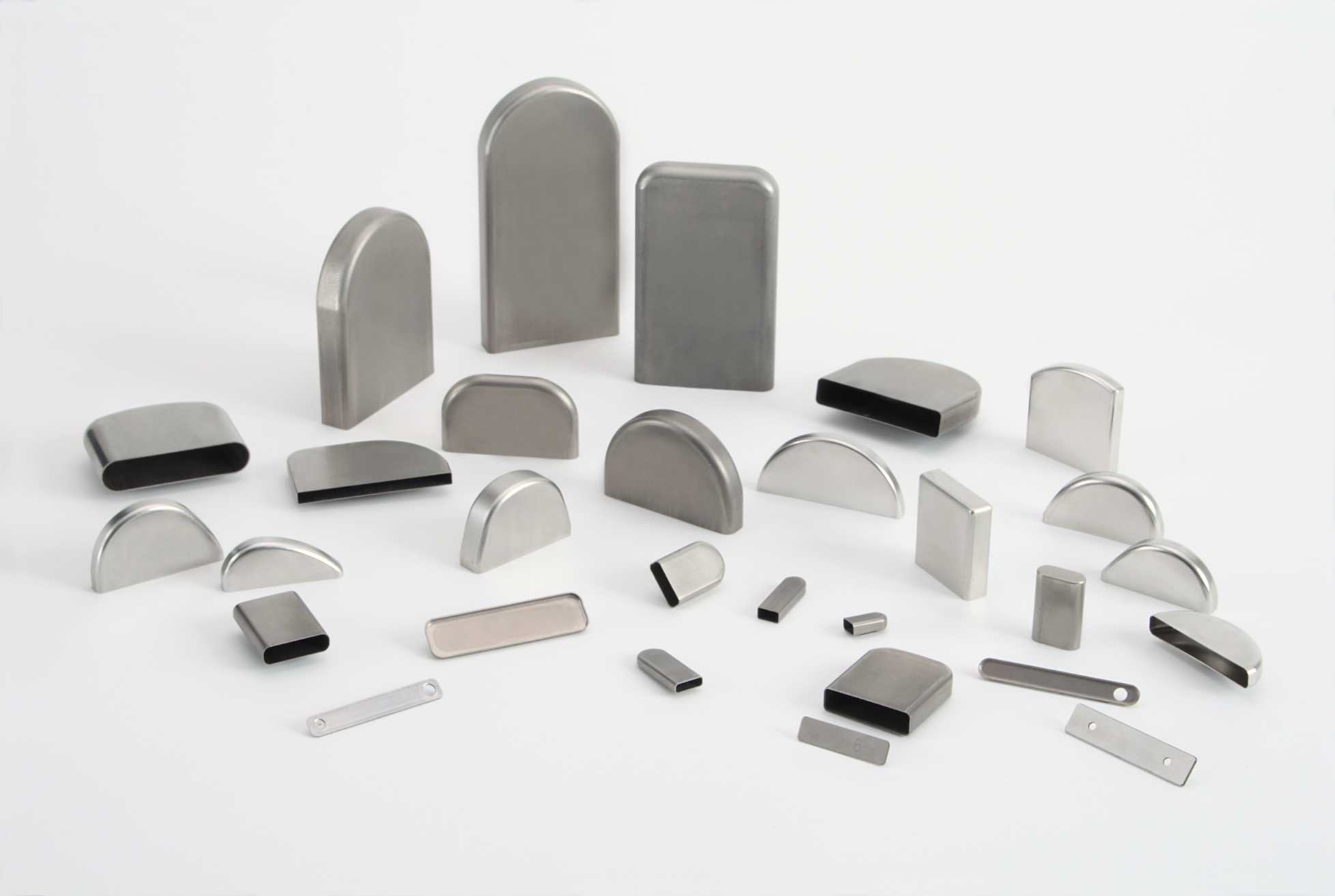
Who uses metal cups and cases made from one flat sheet? And how do you choose the right metal and die? Since 2013, Dechen Metal Machining has made custom deep drawn parts for car, medical and electronics buyers. Each industry wants something different. So the right metal and die change too.
This guide shows where these parts are used. It also explains the metals, dies and quality checks behind each one.
What Are Custom Deep Drawn Parts?
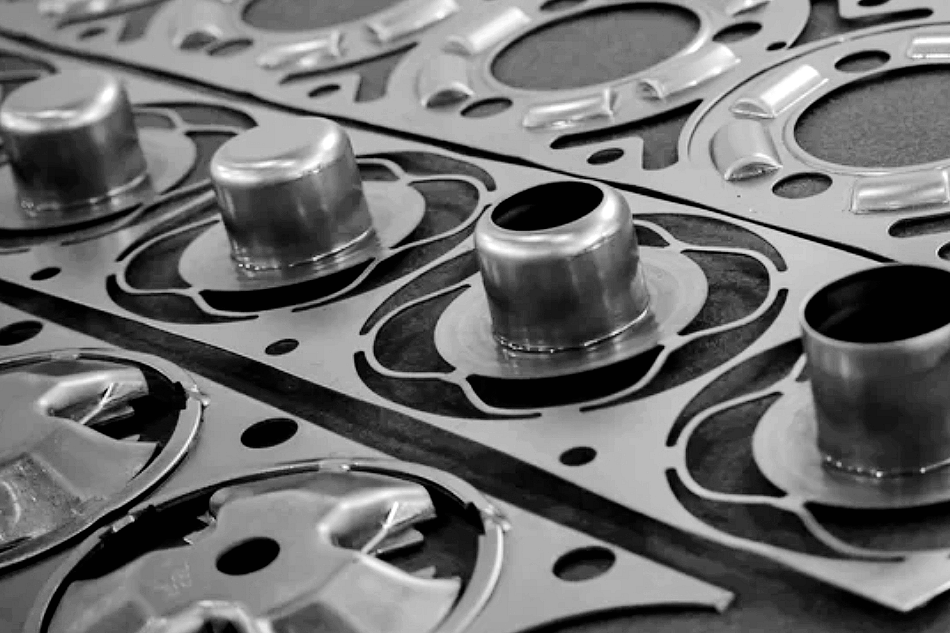
Custom deep drawn parts are hollow metal parts made in one piece. They are made by pressing a flat metal sheet, called a blank, into a shaped tool called a die. Most are used in cars, medical devices and electronics. Home appliances, new energy and aerospace use them too.
Deep drawing makes open, hollow shapes like round cups, boxes and stepped parts. This one method makes deep drawn metal components for many different markets. You can see the full range on the custom deep drawn parts page.

Quick Industry Map for Deep Drawn Parts
| Industry | Typical Parts | Best-Fit Die Type |
| Automotive | Mass-produced parts, fuel tanks | Progressive, continuous |
| Medical | Battery cases, sensor housings | Compound, single process |
| Electronics | Shells, capacitor housings | Compound |
| Appliances, energy, aerospace | Cylinders, enclosures, odd shapes | Depends on size |
What Makes Deep Drawn Parts So Useful?
Custom deep drawn parts are useful because they come out in one piece. They waste little metal and have a smooth, clean finish.
Seamless, Void-Free Shapes
The metal can be drawn in a few steps, with a new tool for each step. This gives you a part with no seams and no hidden gaps. So in most cases, you do not need an X-ray check.
Less Scrap and Lower Cost
Deep drawing wastes 30 to 50% less metal than machining or welding. Less waste means each part costs less. It can also make deep hollow spaces, curved sides and very small details.
Deep Drawn Metal Parts in Automotive Systems
Car parts are where deep drawing works the fastest. The die used for car parts, called a progressive die, can make up to 800 pieces an hour.
What Car Makers Order
Dechen Metal Machining makes engine parts, transmission parts, chassis brackets, EV battery housings and connectors. Not all of these are deep drawn. Some are made with its other methods, like stamping and CNC machining. You can see them all on the automotive parts applications page.
Progressive vs Continuous Dies for Cars
A progressive die has a few work stations in a line. The part is trimmed, then drawn, then punched, one step after another. This makes it great for making lots of car parts fast. A continuous die uses a robot to move the metal sheet. It is best for big, complex parts like fuel tanks.

The Shift to High-Strength Steel
More and more deep drawn metal parts now use high-strength steel (HSS). This steel makes a part lighter, but it stays strong.
Deep Drawn Housings for Medical Devices
Medical devices use deep drawn housings because they need a smooth surface with no cracks. These housings also keep the parts inside safe. You can find more examples on the medical accessories and devices page.
Medical Parts Made by Deep Drawing
- Battery cases: metal covers that keep batteries in medical devices safe for a long time.
- Surgical instrument components: exact, strong parts for tools like forceps, retractors and biopsy trays.
- Sensor housings: cases that protect the sensors in machines doctors use to test patients.
Stainless Steel and Surface Standards
These medical parts use stainless steel, grade 304 or 316. The surface must pass strict checks. You should see no cracks or wrinkles. No scratch can go deeper than 0.05 mm. The parts can also get passivation, a step that helps stainless steel fight rust.
Deep Drawn Enclosures in Electronics
Electronics makers use deep drawn enclosures because they need small shells that fit just right. These shells keep the parts inside safe.
Why the Compound Die Fits Small Shells
A compound die cuts and shapes the part in one step. It stays within ±0.1 mm. That makes it a good fit for small and medium parts, like capacitor housings.
Dechen Metal Machining makes shells that are strong, handle heat and fit together well in today’s electronics. Its electronics enclosures and shells are used in many kinds of electronic products.
Aluminum for Light Enclosures
Aluminum shells use grade 5052 or 6061. They can also get anodizing, a finish that protects the surface.
Other Industries Built on Deep Drawing
Deep drawing is also used in home appliances, new energy and aerospace. These fields use deep drawn enclosures, round cups and odd-shaped parts. Dechen Metal Machining also makes metal parts for farming.
Choosing the Right Metal for Deep Drawing
The right metal depends on how strong, light and rust-free your part needs to be. Deep drawn stainless steel parts hold up well against rust. Deep drawn aluminum parts keep the weight down. Not sure which metal to use? The engineers can help you choose. You can see the full list of stainless steel and aluminum grades on the materials page.

Deep Drawing Metals at a Glance
| Material | Grades Listed | Key Note |
| Low carbon steel | SPCC / SPCD | Cold-rolled sheet grades |
| Stainless steel | 304 / 316 | Resists rust, high strength |
| Aluminum alloy | 5052 / 6061 | Light and easy to form |
| Copper alloy | Not specified | Listed as a drawing metal |
| High-strength steel | Not specified | Light weight with good strength |
Size Range and Material Supply
The flat starting sheet can be up to 48″ across. Finished parts can be ½″ to 24″ wide and up to 24″ deep. In most cases, the team buys the metal for you. You can also send your own metal.
Which Deep Drawing Die Suits Your Part?
The right die for custom deep drawn parts depends on three things: how big the part is, how exact it must be and how many you need.
Four Die Types Compared
| Die Type | How It Works | Best For | Key Figure |
| Single process die | First draw of simple round parts | Simple, low-cost parts | Simple build |
| Compound die | Cuts and draws in one step | Small and medium parts, such as capacitor housings | ±0.1 mm |
| Progressive die | Trims, draws and punches across stations | Car parts in large runs | Up to 800 pieces/hour |
| Continuous die | A robot moves the blank | Large, complex parts, such as fuel tanks | Robot transfer |
With these four dies, you can make a few test pieces or very large orders.
How Quality Is Checked on Every Batch
The team checks the size, surface and strength of every batch. They also check the first part before making the rest.
Preventing Wrinkles, Cracks and Springback
- Wrinkles: a tool called a blank holder holds the edge of the sheet down with just the right force. This stops the metal from wrinkling.
- Cracks: the corners of the punch and die are made round, with a radius at least 4 times the metal’s thickness. The die also gets a lubricant, so the metal slides more easily.
- Springback: after shaping, metal can spring back a little. To fix this, the team draws it a bit further or adds one more shaping step.
Inspection Standards
| Check | Standard |
| Size | Diameter and height within ±0.1 mm |
| Surface | No visible cracks or wrinkles; scratches 0.05 mm deep or less |
| Strength | Hardness and hole expansion tests check how well the metal stretches |
| Batch | First piece checked, then at least 5% of each batch sampled |
Sourcing Custom Deep Drawn Parts From China
Dechen Metal Machining is the brand name of Cangzhou Dechen Metal Products Co., Ltd. The company started in 2013. It does its own research, production and sales. For its deep drawing services, it tests its tools on a computer first. It also uses precise stamping machines.
What to Expect From a Deep Drawn Parts Manufacturer
A good deep drawn parts manufacturer should do the whole job, not just the drawing. Dechen Metal Machining also offers anodizing, CNC machining, passivation and heat treating. Most jobs need only one purchase order. The company follows ISO 9001 standards. It can trace every batch of metal back to its source. It also signs an NDA to keep your designs private.
How the Quote Process Works
First, upload your 2D drawings or 3D CAD files. You can send STEP, STP, IGS, X_T, DWG, DXF or PDF files. Within 24 hours, you get a binding quote, which is a firm price you can rely on.
FAQs
Is deep drawing a type of metal stamping?
Yes, deep drawing is a type of stamping. A flat metal sheet is pressed into a die. It comes out as an open, hollow part, like a round cup, a box or a stepped shape.
- The part comes out in one piece, with no seams
- There are four die types: single process, compound, progressive and continuous
Which industries use deep drawn metal components most?
Cars, medical devices and electronics use deep drawn metal components the most. Home appliances, new energy and aerospace use them too.
- Cars: lots of parts made fast with a progressive die
- Medical: battery cases and sensor housings
What metals can be deep drawn?
The most common metals are low carbon steel, stainless steel, and aluminum and copper alloys. Popular grades are SPCC/SPCD, 304/316 and 5052/6061.
- More parts now use high-strength steel
- Engineers can help you pick the right metal
How accurate are deep drawn parts?
Deep drawn parts must stay within ±0.1 mm in width across and in height. The compound die also works to ±0.1 mm.
- No scratch can be deeper than 0.05 mm
- At least 5% of each batch gets checked
How large can a deep drawn part be?
A deep drawn part can be up to 24″ wide and 24″ deep. It starts as a flat sheet up to 48″ across. The smallest parts are ½″ wide.
- Big, complex parts work best with a continuous die
- Smaller parts work best with a compound die
How fast can I get a quote?
You get a binding quote for custom deep drawn parts within 24 hours. This is a firm price you can rely on.
- Just upload your 2D drawings or 3D CAD files
- An NDA keeps your drawings private
Conclusion
First, pick the right metal and die for your industry. Then think about what matters most to you, like a large order or a clean finish. Dechen Metal Machining offers deep drawing services, plus extra steps like finishing and machining, all in one place.
It also follows ISO 9001 standards and sends a quote within 24 hours. This makes it a good choice if you want to go from a few test pieces to large orders. Send your drawings and contact our engineering team to check your part.