What Precision Sheet Metal Fabrication Steps Reduce Surface Defects? Finishing, Deburring, Inspection
Anyone who has run a batch of stamped brackets understands the misery. Burrs may sometimes appear on every part. It takes time and money. Watching parts go from raw metal to completed parts over the years teaches you one thing. Surface problems seldom originate at the surface. In cutting, bending, and joining, they begin earlier. Precision sheet metal fabrication can only remain precise if every stage is really cared for.
This article explains the origin of faults. It involves three stages that halt them: deburring, finishing, and inspection. You’ll also receive a short checklist to utilize.
What Is Precision Sheet Metal Fabrication?
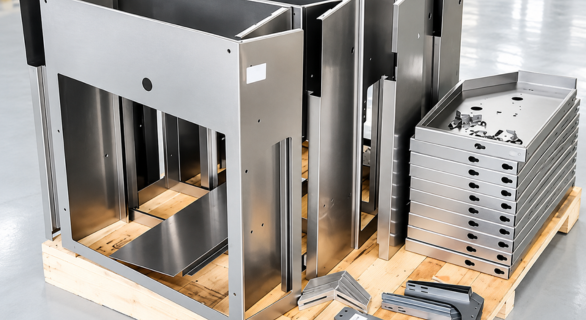
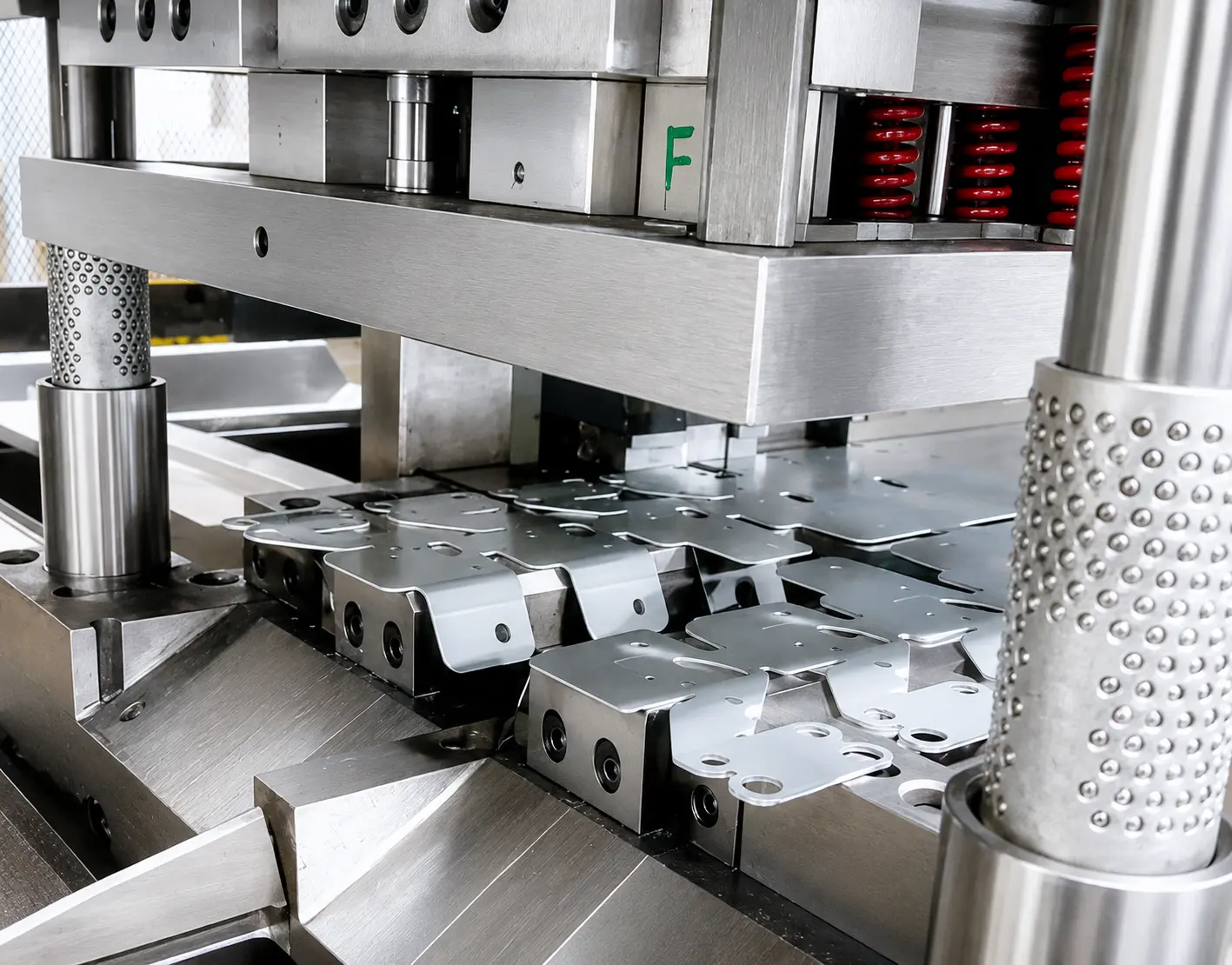

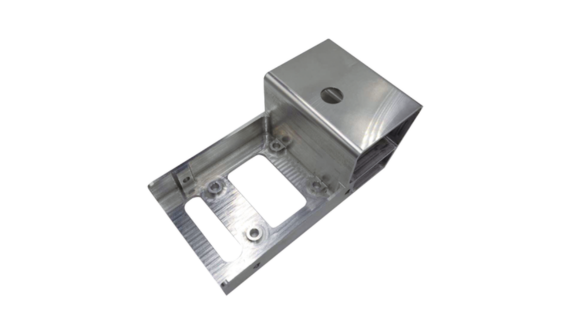
Precision sheet metal fabrication involves cutting, bending, joining, and finishing metal sheets. The aim is parts that fit stringent size and surface rules. It’s not guessing, it’s machine-controlled ways. Common techniques include CNC laser cutting, CNC punching, and CNC panel bending.
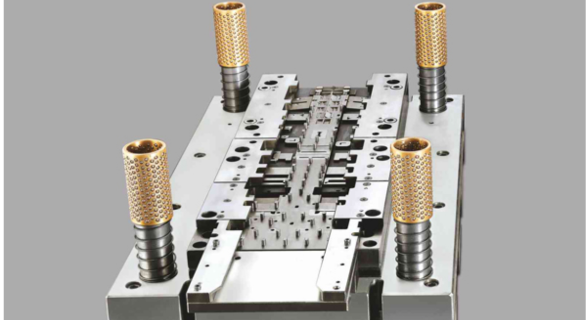
Laser welding, deep drawing, waterjet cutting, and stamping are often used in these. Methods are employed alone or in combination depending on the form of the part and the task. The end result is the same: a clean, functional part.
Key Facts at a Glance
| Element | Detail |
| Core cutting/forming methods | CNC laser cutting, CNC punching, CNC panel bending |
| Joining methods | Laser welding, MIG welding, TIG welding, spot welding, riveting |
| Punching tolerance | Up to ±.001″ |
| General linear tolerance | ±.010″ minimum, ±.020″ recommended |
| Common materials | Aluminum, stainless steel, carbon steel, titanium, galvanized steel |
Why Do Surface Defects Happen in Sheet Metal Parts?
Surface flaws mostly start in forming and joining. They never come out of the raw metal. Punching and blanking might result in burrs. On a cut edge, a burr is a thin, pointy piece of metal.
Bending may also leave traces. These are from press brakes, folding machines and stamping devices. The die contacts the sheet and leaves an impression. A third issue is introduced by welding. The issue is heat.
Common Precision Sheet Metal Fabrication Errors During Forming
- Burrs from punching, blanking or laser cutting
- Tool marks from press brakes, folding machines or stamping units
- Heat marks from CO2, spot, argon, MIG or TIG welding.
- Thin sections that are bent or twisted by excessive weld heat
- uneven edges if several cutting processes are used in one
Why Tolerance Control Matters for Surface Quality
Tolerance and surface quality are tightly coupled. The gap between a part’s actual size and its intended size is known as a tolerance. Tolerance should never be tighter than the part really requires. Tight tolerance costs extra to manufacture.
As a general rule, linear tolerances should not be tighter than. 010′′. If the design permits, go with a value of ±.020″. With the proper setup, punching may maintain tighter tolerances, up to.001′′. Parts with an excessively tight tolerance often have more tool marks. This is because tighter settings take greater force.
The Importance of Precision in Sheet Metal Fabrication
Precision is important because it eliminates human mistake. Most surface flaws are caused by human mistake. The identical action is repeated repeatedly in CNC panel bending, CNC punching, and CNC laser cutting. They always put the same strain on. This is what separates precision sheet metal manufacturing from manual labor. In manual labor each pass might be different.
How Precision Sheet Metal Fabricators Prevent Defects at the Source
CNC-controlled cutting and forming reduces the danger of human error. Or maybe a worker pushes too hard. 3. A worker may line up a die inaccurately. These little mistakes are not made by machines.
Fewer manual modifications means fewer poor edges. And it means less rework, too. That is why automated machines are used by precision sheet metal fabricators for repetitive operations. These tasks are done less often via manual setup.
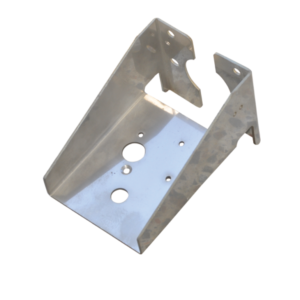
Precision Sheet Metal Fabrication Parts That Depend on Defect-Free Surfaces
A rough or uneven surface is not permitted for certain portions. The fit of the part may be harmed by a defect. It may also damage its resistance to rust. Looking at it might be painful. Examples are:
- No Dents or Marks Allowed on Body Panels
- Chassis and enclosures where edges need to be smooth to safely contact
- Brackets and situations where the precise size of elements determines how they fit together
- Parts for office and kitchen equipment where appearance matters
Finishing: The First Line of Defense Against Surface Defects
Finishing is a series of processes that happen after cutting and bending. It smooths and preserves the surface of metal. Good finishing increases rust resistance. It gives the surface a smoothness. Also, it prepares the part for the following process, e.g. coating, anodizing. Finishing makes the portion seem good also. And it achieves all of this while maintaining the size of the part right.
What Finishing Actually Does
Finish isn’t just about appearance. It shields the part while in use. A highly polished surface will withstand rusting longer. More evenly, it retains a coating. Over time, there are fewer flaws. It’s easy to make the mistake of skipping or rushing through the process. This is one of the most prevalent faults in cheap sheet metal production.
Finishing Options Used in Precision Sheet Metal Fabrication
| Finishing Method | Main Purpose | Common Materials | Result |
| Deburring | Removes sharp edges and loose metal | All sheet metals | Smoother, safer edges |
| Polishing | Makes the surface very smooth | Stainless steel, aluminum | Better look |
| Anodizing | Adds a protective layer | Aluminum | More rust resistance |
| Passivation | Removes surface dirt and film | Titanium, stainless steel, aluminum, nickel alloys | Longer part life |
| Plating and coating | Adds a protective layer | Steel, aluminum | Less wear and dirt risk |
| Heat treating | Makes the metal stronger | Steel alloys | Better durability |
Cosmetic and Functional Add-Ons
A few more steps improve both beauty and function. Pad printing, silk screening, and fastener insertion are examples of these. Edge rounding, tumbling, countersinking, and riveting are further techniques. Every step addresses one little difficulty. This may be adding a logo. It might be preparing a part for final assembly.
Deburring: Removing the Root Cause of Edge Defects
Deburring is the removal of sharp edges and loose metal. These are scraps from cutting or forming. Deburring improves part performance. And it makes it more secure. Sharp burrs might cut workers during assembly. They could also prevent two parts fitting nicely together. Deburring commonly transforms a rough-cut blank into a part suitable for finishing.
Where Deburring Fits in the Process Sequence
Deburring is performed after bending, blanking or assembly. It occurs before finishing. If you coat or plate a part before you deburr, you are trapping the defect. The burr is left beneath the finish instead of being removed. That’s why deburring has to be done first.
Inspection: Verifying a Defect-Free Precision Sheet Metal Fabrication Part
Inspection is the last quality control. It occurs before a part is sent. It determines if the part adheres to its size restrictions. It also proves that the face is right. Inspection examines 2 items.
First, is the size correct? Secondly, is the surface suitable, such smoothness and coating? A part may pass one test and fail the other. That’s why both checks important.
Why Inspection Cannot Be Skipped
Skipping Inspection involves delivering guesses instead of checked parts. Every work in precision sheet metal fabrication has to be top of the line. It must also fulfill the expectations of the buyer. Inspection changes your expectation to a truth you can trust.
Joining and Assembly Steps That Influence Surface Quality
Joining is a new danger. The danger is heat. Some of the parts are assembled rather than made from a single sheet. The two basic methods for doing this are welding and riveting.
Welding Processes and Heat Control
CO2 welding, spot welding and argon welding are the most common methods of welding. MIG welding and TIG welding are also prevalent. Which kind is right based on the metal and design?
Heat is important when parts have tight tolerances and thin walls. Use the lowest feasible heat setting. Thin portions may warp from too much heat. It may also modify the color of the surface. This might negate any good effort done in finishing early.
Riveting as a Lower-Heat Alternative
Rivets attach two or more metal parts. And they accomplish this without adding welding heat. There are three major categories. These are solid rivets, semi-tubular and blind. An obvious advantage of riveting versus welding is: It can weld all kinds of metal. It also works in tight spots inaccessible to welding tools.
Materials That Affect Surface Finish Outcomes
The same finishing procedure will impact various metals in different ways. That is why the finishing procedure should fit the material. Typical sheet metals include aluminum, aluminized metal, copper, and stainless steel. Others include carbon steel, cold rolled steel, high-strength steel, galvanized steel, galvalume, hot-rolled steel and titanium.
On aluminum, anodizing is most effective. Passivation is effective on titanium, stainless steel, aluminum and nickel alloys. Picking the improper finish for a metal might leave it less protected.
A Practical Sequence: From Raw Sheet to Defect-Free Part
- Bending and forming (press brake, folding machine, stamping device)
- Blanking (laser, turret press, waterjet cutting)
- Assembly (riveting, welding, hardware, adhesives)
- Deburring
- Finishing (polishing, anodizing, passivation, plating & coating, heat treatment)
- Inspection
The order of this is really significant. Swap deburring and polishing and you cover a defect. You don’t erase it,
Frequently Asked Questions
What is precision sheet metal fabrication?
Precision sheet metal fabrication is the process of cutting, bending, and finishing metal sheet. It uses machine-controlled, repeatable methods. Common tools are CNC laser cutting, CNC punching, and CNC panel bending. This gives more even results than manual work.
- Uses machine-controlled cutting and bending
- Works for both prototypes and full production
- Keeps part size steady across a whole batch
What causes surface defects in sheet metal parts?
Surface defects mostly come from burrs, tool marks, and weld heat. Burrs form during punching or blanking. Tool marks show up during bending on press brakes or stamping units.
- Burrs from cutting and punching
- Tool marks from forming machines
- Heat marks from welding
How does deburring improve part quality?
Deburring removes sharp edges and loose metal after cutting or forming. This makes parts safer to hold. It also helps parts fit together better. It also gets the surface ready for finishing.
- Removes the risk of cuts from sharp edges
- Helps mating parts fit well
- Must happen before finishing starts
What finishing options reduce corrosion and surface defects?
Anodizing, passivation, and plating and coating are the top choices. Anodizing adds a protective layer to aluminum. Passivation works on titanium, stainless steel, aluminum, and nickel alloys.
- Anodizing: best for aluminum parts
- Passivation: works on many metal types
- Plating and coating: adds a layer over the base metal
Why is inspection necessary after finishing?
Inspection checks the part’s size and its surface before it ships. A part can look right but still fail a size check. The reverse can also happen. Inspection catches both problems.
- Confirms the size is correct
- Confirms the surface and coating are correct
- Acts as the last quality check before shipping
Conclusion
Getting the order right is what stops most defects. Deburr the part first. Finish it after that. Match the finish to the metal. Check the part before it ships. Skipping a step is common, but easy to catch and fix.
Want help with your parts? Dechen Metal Machining (DC) offers sheet metal fabrication, metal stamping, and prototyping. DC says it ships within 5 to 10 days and has completed over 1,000 projects.