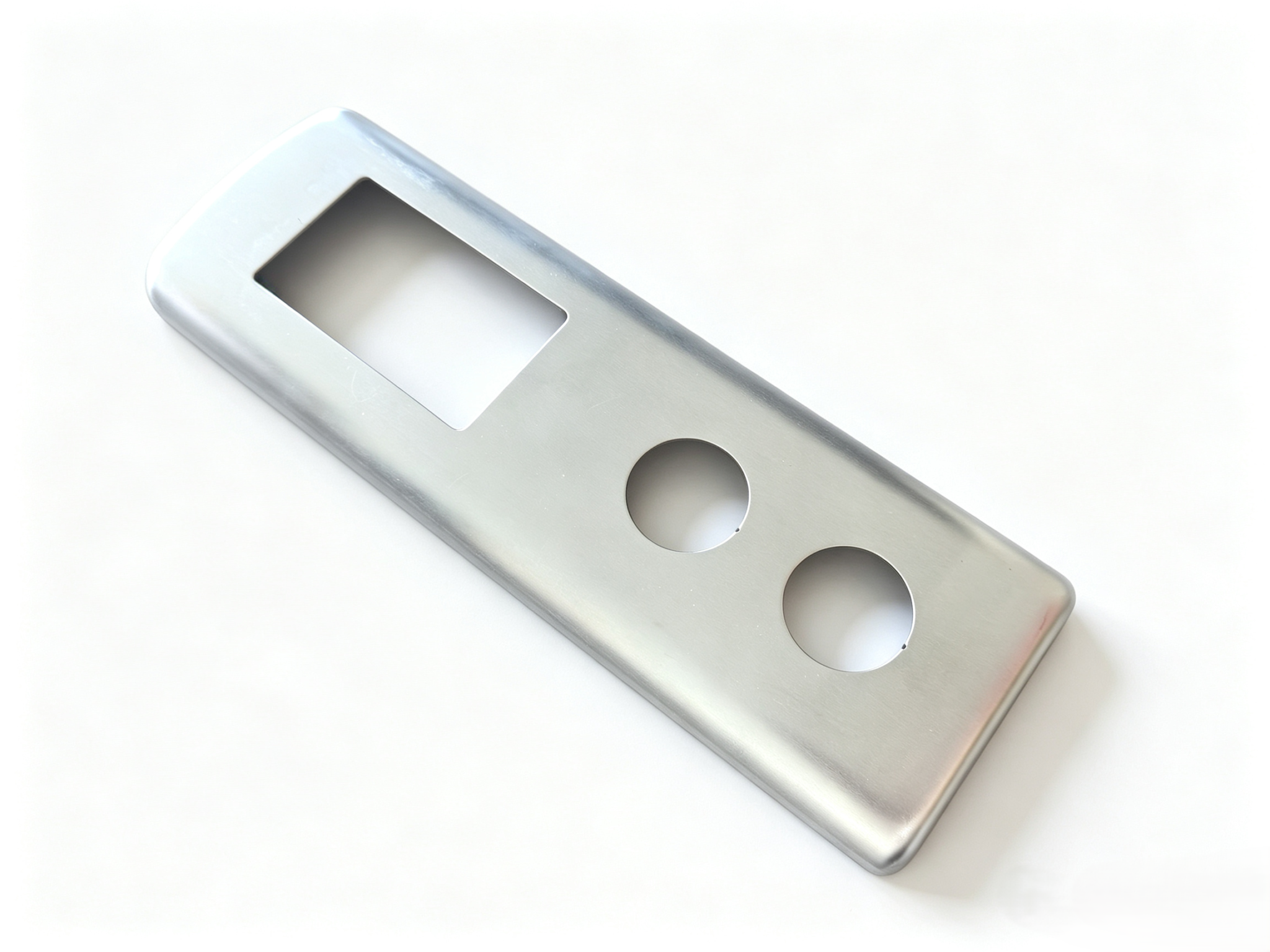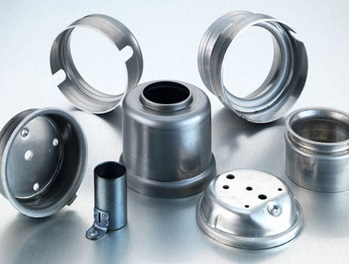
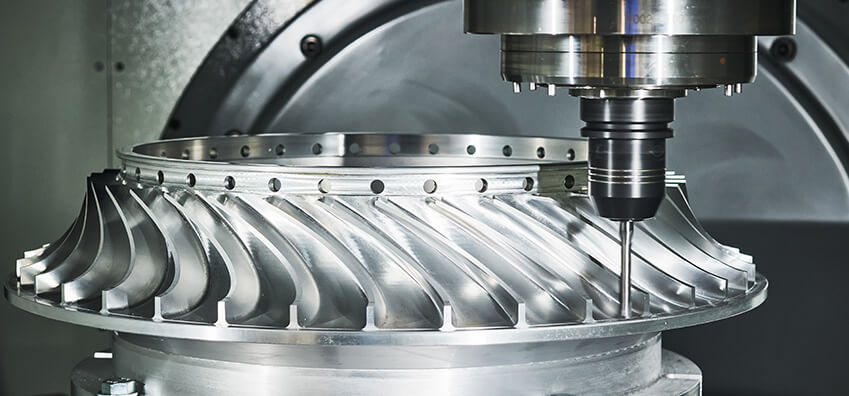
Should your part go on a mill, a lathe or a wire EDM machine? Precision CNC machining services usually include CNC milling, CNC turning, 5-axis machining and wire EDM. After cutting, sharp edges are removed and the part is finished. A good supplier also checks your drawing and tolerances. It can make both test parts and large orders.
Dechen Metal Machining has made custom metal parts since 2013. It offers precision CNC machining services with a skilled team. Some of its machinists have 30 to 40 years of CNC experience. Long years at the machine teach one simple rule. Let the part’s shape, metal and tolerance choose the process.
In this guide, you will see how each process works. You will also learn when to use it and what changes your price.
Precision CNC Machining Services at a Glance
CNC machining is a way of cutting metal. A machine removes metal from a solid block or bar until the part matches your CAD file. A computer guides every move, so each part comes out the same.
This makes it good for single test parts and repeat orders. Dechen’s precision CNC machining services include 5-axis machining, wire EDM, lathe turning, milling and deburring, which removes sharp edges. The table below shows how each process cuts and where it fits best.

Core CNC Machining Processes Compared
| Process | How It Cuts | Best Suited To | Watch Out For |
| CNC milling | A spinning cutter moves over a fixed part | Flat faces, pockets, slots and holes | Inside corners stay rounded |
| CNC turning | The part spins against a fixed tool | Round parts | Flat spots and side holes need milling |
| 5-axis machining | The tool tilts to reach angled faces | Tilted faces and curved surfaces | Higher cost per machine hour |
| Wire EDM | Sparks wear away metal with no contact | Hard metals and fine details | Metals that conduct electricity only; slow on large cuts |
CNC Milling and Turning Services Explained
Most machined parts are made with CNC milling and turning services. The main difference is easy to remember. In milling, the tool spins. In turning, the part spins.
How CNC Milling Shapes Flat and 3D Surfaces
CNC milling uses a spinning cutter to shape metal. The part stays still while the cutter moves over it. It can make flat faces, pockets, slots, holes and 3D shapes. Brackets and housings are common milled parts. A 3-axis mill moves the tool in three straight lines. A multi-axis mill can also tilt the tool or the part.
The cutter is round. So the inside corners of a milled pocket are always a little round too. Show a small curve on these corners in your drawing. This lets the shop use a normal tool.
How CNC Turning Shapes Round, Symmetric Parts
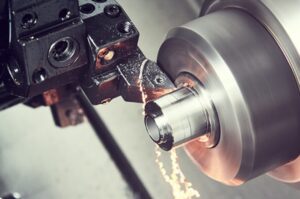
CNC turning is done on a lathe. The part spins while a tool stays in place and cuts it. It can cut the ends flat, make grooves, widen holes and add threads. Shafts, pins, bushings and fittings are common turned parts.
Turning keeps every round section lined up on the same center. This helps shafts spin smoothly inside bearings. Many parts need both milling and turning. For example, a turned shaft may still need a flat spot milled on its side.
When Does a Part Need 5-Axis CNC Machining?
A part needs 5-axis CNC machining when its main features face many sides or sit at angles. The machine moves in three straight lines and can also turn in two ways. So the tool can reach slanted faces and hidden spots without moving the part. Each time a part is moved and clamped again, small errors can slip in. Fewer moves mean fewer errors.
Signs Your Part Design Needs Five Axes
- Holes or faces that lean in two directions
- Details on four or more sides of the part
- Curved surfaces that bend in more than one way
- Deep spots that are easier to reach with a short, tilted tool
When you compare precision CNC machining services, ask one simple question. Can the machine move on all five axes at the same time? Some shops only use 3+2 work. In 3+2 work, the machine tilts the part, locks it and then cuts. Dechen runs simultaneous 5-axis milling, which means all five axes move together. This lets it cut many sides and angles of complex machined parts in one go.
Wire EDM Machining for Hard, Fine Features
Wire EDM machining cuts metal with tiny electric sparks from a thin wire. The cutting happens in a special fluid, usually very pure water. This water does not carry electricity. The wire never touches the part. So nothing pushes on thin walls or bends them.
Where Wire EDM Cutting Performs Best
- Metal that is already hard after heat treatment
- Very thin slots and almost sharp inside corners
- Thin walls that a normal cutter could bend
- Punch and die shapes, the tools that cut and press sheet metal
There is one limit that many people miss. The wire has to go all the way through the part. So to cut a shape inside the part, the shop first drills a small hole for the wire.
Many shops follow a simple order. First, they mill or turn the part. Next, they heat treat it to make it hard. Last, they use wire EDM for the small, hard-to-cut details.
What Tight Tolerance Machining Means for Buyers
Tolerance is how much a size can differ from its target and still be accepted. For example, say a hole should be 10.00 mm with a ±0.02 mm tolerance. The hole passes if it measures anywhere from 9.98 mm to 10.02 mm. Tight tolerance machining makes this range smaller. That means more machine time, more checking and a higher price.
Part Features That Deserve Tight Limits
- Spots where two parts must fit together
- Places where a bearing sits
- Faces that must seal so nothing leaks
- Main reference surfaces used to measure the rest of the part
Experienced buyers of precision CNC machining services use tight limits only in these spots. All other sizes can follow a general rule, such as ISO 2768-1. This helps keep the price down. Dechen supports this work with tight tolerance control. It also has a full quality check system that meets industry standards.
Metals Behind Precision Machined Components
Dechen works with many aluminum and stainless steel grades. For aluminum, these include 6061, 6063 and 7075. For stainless steel, they include 304, 316/316L and 17-4PH. The metal you choose changes the price, strength and final look of precision machined components.
Common Metal Grades and Where They Fit
| Grade | Metal | Key Trait | Good Fit |
| 6061 | Aluminum | Easy to machine and weld | Prototypes and general parts |
| 7075 | Aluminum | Higher strength | Parts that carry heavy loads |
| 304 | Stainless | Resists rust well | Everyday stainless parts |
| 316/316L | Stainless | Better resistance to salt | Salty or harsh settings |
| 17-4PH | Stainless | High strength and rust resistance | Strong parts that face moisture |
Dechen’s team also knows how to work with metals that are hard to shape.
From CNC Prototype Machining to Full Runs
CNC prototype machining makes a test part from the same metal you will use later. So when you test it, you see how the real part will fit and work. Dechen can make test parts, small orders and large orders. Its work also includes custom hardware prototypes.
How a Part Moves From Prototype to Production
- Send your drawing so engineers can check the design.
- They give DFM tips on how to make the part easier and cheaper to build.
- The shop makes a few test parts for you to check.
- Once the design is final, small or large orders can begin.
For custom CNC machined parts, an early DFM check saves money. Fixing a drawing costs very little. But once the shop has set up its programs and part holders, the same fix costs much more.
Finishing Steps That Complete a Machined Part
Finishing is the last step in precision CNC machining services. The first job is deburring. This takes off the rough bits and sharp edges left by cutting. Dechen handles this with tumbling and finishing. Both are part of its in-house secondary processes.
Secondary Processes Matched to Their Purpose
- Anodizing: puts a tough, protective coat on aluminum
- Passivation: cleans loose iron off stainless steel so it fights rust better
- Heat treatment: changes how hard or strong the metal is
- Laser marking: prints part numbers so each part can be tracked
- Painting, laser welding and assembly: paint, join and pack parts so they are ready to ship
Industries That Rely on Complex Machined Parts
Complex machined parts matter most in high-risk jobs. One bad part can stop a car, a device or a factory line. In medical work, precision machined components must be the exact same size every time. So buyers look closely at a supplier’s past work in medical accessories and devices.
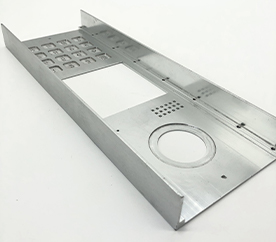
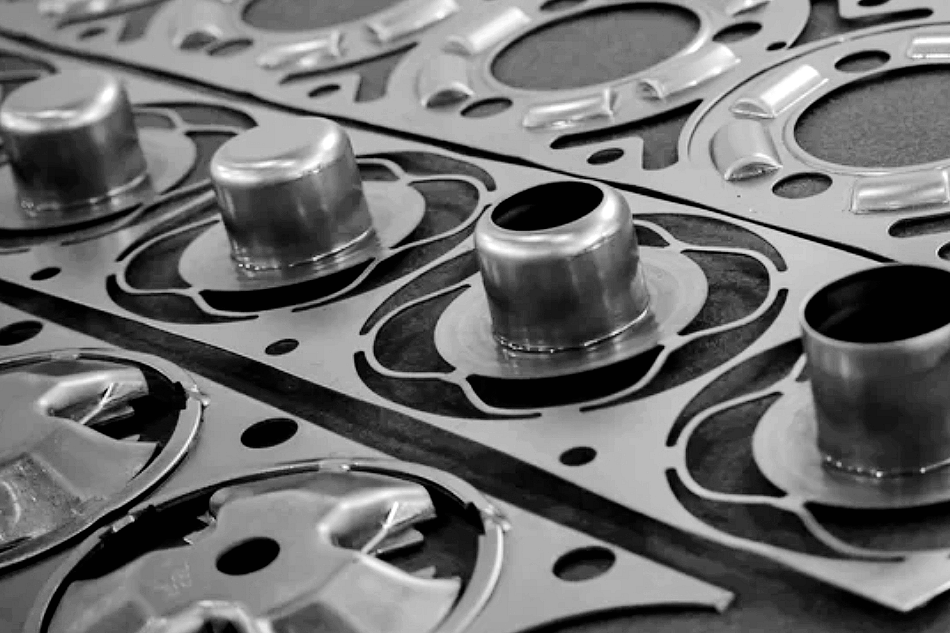
Dechen also makes parts for cars and farm equipment. For electronics, it builds metal cases using CNC machining, deep drawing and precision stamping. These cases are built to be strong, manage heat and fit together easily.
Inside the Dechen Metal Machining Factory
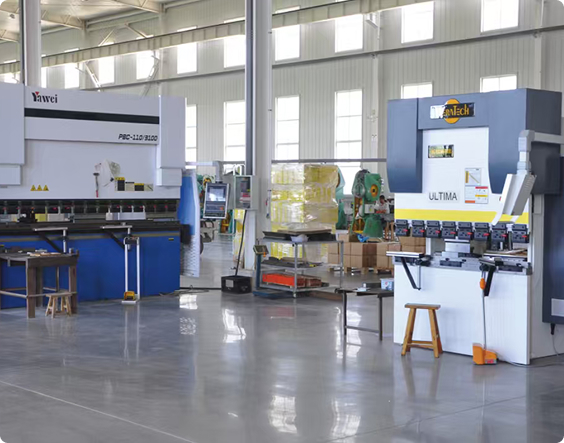
Cangzhou Dechen Metal Products Co., Ltd. started in 2013. It does research, makes parts and sells them, all in one company. The factory is over 10,000 m² in size. It has more than 80 high-precision machines. You can learn more in the Dechen Metal Machining company profile.
Before shipping, every part is checked for size, material and how well it works. Your drawings stay private under an NDA. You also get full material records and certificates, so you know where the metal came from. All work follows ISO 9001 standards in full.
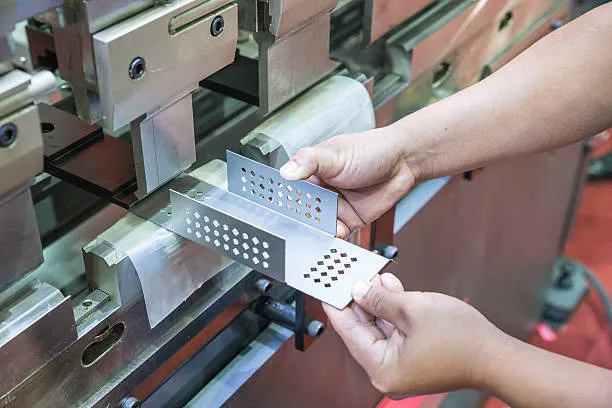
Dechen’s precision CNC machining services are in the same factory as stamping, deep drawing and sheet metal work. So you can get CNC milling and turning services and custom sheet metal fabrication from one supplier.
FAQs
Is CNC Milling Better Than CNC Turning?
CNC milling is not better than turning, because the part’s shape decides. Turning suits round parts, while milling suits flat or boxy ones.
- Shafts and pins suit turning.
- Brackets and housings suit milling.
Is 5-Axis CNC Machining More Expensive?
5-axis CNC machining usually costs more per machine hour. But it can lower the total cost of a complex part, since it cuts many faces in one setup.
- Fewer setups mean less fixture work.
- Simple flat parts often cost less on a 3-axis mill.
Can Wire EDM Cut Through Hardened Steel?
Wire EDM machining is one of the best ways to cut hardened steel. The sparks wear the metal away, so hardness has little effect on the cut.
- The metal must conduct electricity.
- Parts are often hardened first, then cut to shape.
Can One Supplier Run Prototypes and Production?
One supplier can handle CNC prototype machining and production if it covers every stage. Dechen supports prototype, small-batch and mass production.
- The approved prototype guides later runs.
- You do not need a new supplier halfway through.
What Files Do I Need for a CNC Machining Quote?
A CNC machining quote needs a 2D drawing or a 3D CAD file. Dechen accepts .STEP, .STP, .IGS, .X_T, .DWG, .DXF and .PDF files up to 50 MB. For custom CNC machined parts, also share what the file cannot show.
- Material grade and quantity
- Key tolerances and surface finish
How Quickly Will I Receive a Machining Quote?
A machining quote from Dechen arrives within 24 hours. Engineers first review your specifications, material and tolerances. Then they send a detailed, binding quote.
- Complete files speed up the review.
- Your uploads are covered by an NDA.
Conclusion
Pick the process based on your part’s shape, metal, tolerance and how many you need. Use tight tolerance machining only where the part truly needs it. Good precision CNC machining services will help you make these choices before any cutting starts.
Do your custom CNC machined parts need more than one process? Then Dechen Metal Machining is a good fit. It does 5-axis milling, turning, wire EDM and finishing in one factory. Its engineers check every drawing before work starts. Your files stay private under an NDA. Send your CAD files to request a machining quote.