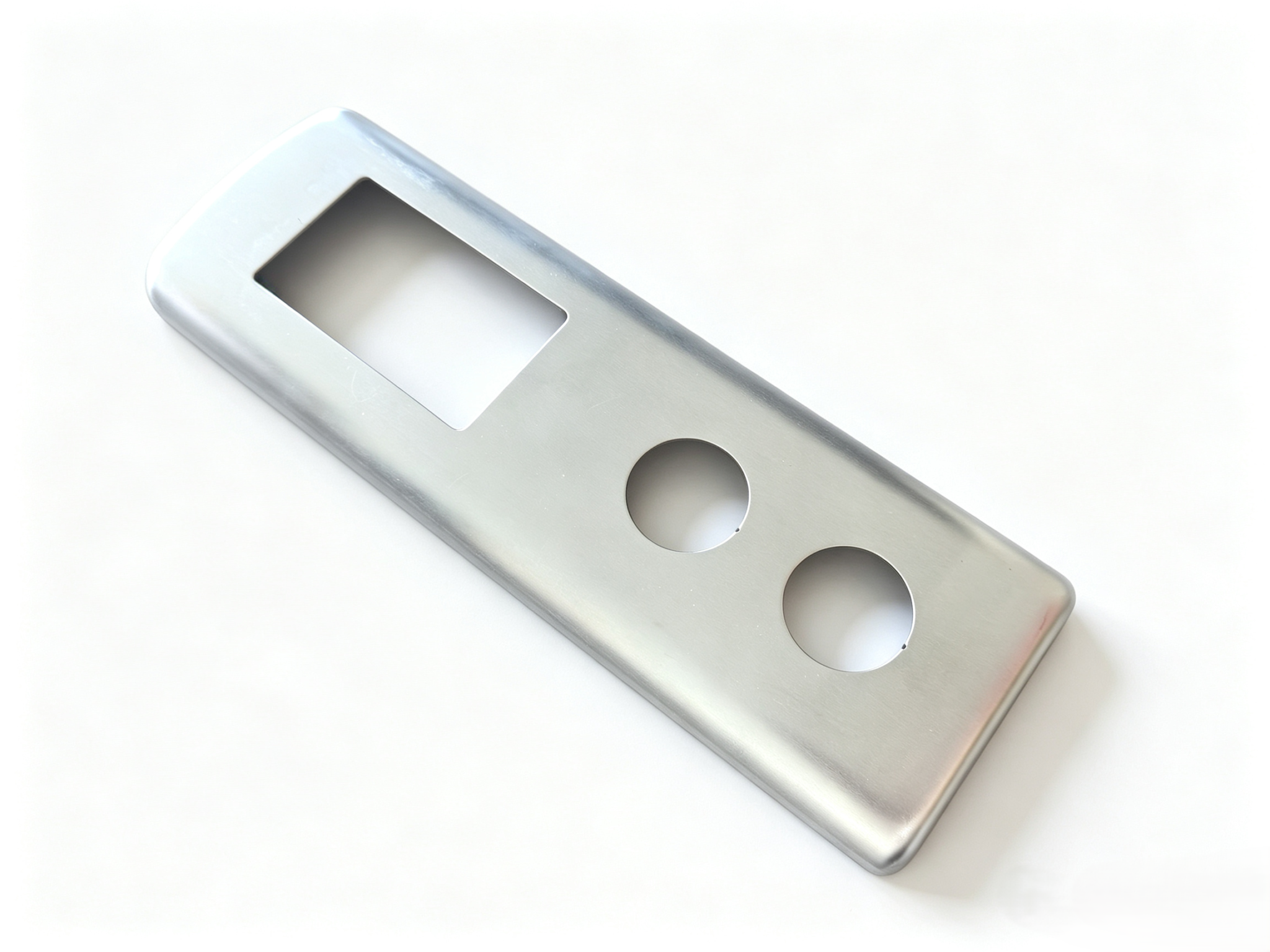
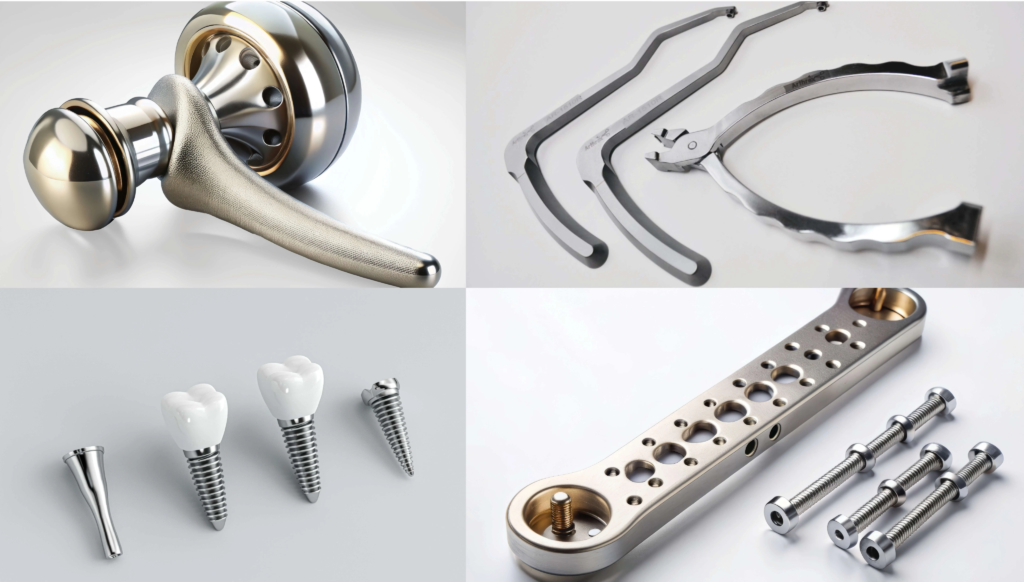
What to check before you submit a pacemaker case drawing to a metal shop? “First, ask how the shop will shape the metal. Medical device components manufacturer Cangzhou Dechen Metal Products (DC) has been in business since 2013. The shape of the part should determine the process, as its work clearly shows.
The three primary processes used in a metal parts factory. Stamping is best suited for large quantities of flat parts. Deep drawing makes hollow cases without seams. CNC machining produces complex shapes with extremely tight tolerances.
This guide discusses each process, the finest metals, finishing, factory size, and delivery. It utilizes DC to depict the journey of custom medical device components from drawing to delivery.
What Is a Medical Device Components Manufacturer?
A medical device components manufacturer is, for example, a factory that makes metal parts according to the device company’s own drawings. The design is owned by the device brand. The factory shapes, polishes, and checks each part.
Alongside its automobile, electronics, and farm parts lines, DC boasts a comprehensive medical line. All these lines use the same stamping, deep drawing, and CNC expertise. You can see the full list of uses on DC’s medical device components manufacturer page.

Medical Parts Making at a Glance
| Topic | What It Means |
| Main job | Makes parts from the buyer’s 2D drawings or 3D CAD files |
| Main processes | Stamping, deep drawing and CNC machining |
| Common parts | Medical device housings, battery cases, sensor cases |
| Common metals | Stainless steel and titanium |
| Quality proof | Check records and material tracking |
How Does a CAD File Become a Finished Medical Part?
A CAD file becomes a finished part in five steps. Each step cuts risk before you pay for tools.
The Five-Step Order Path
- Send your design: DC accepts .STEP, .STP, .IGS, .X_T, .DWG, .DXF and .PDF files.
- Engineers check it: They review the specs, the metal and the tolerances (the allowed size range).
- Get your price: A detailed quote comes back within 24 hours. An NDA keeps your design private.
- Get design advice: The team suggests changes that make custom medical device components easier to build.
- Grow step by step: Work moves from a sample to a small batch, then to full production.
When Does Medical Metal Stamping Make Sense?
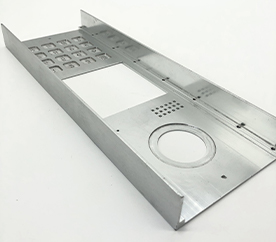
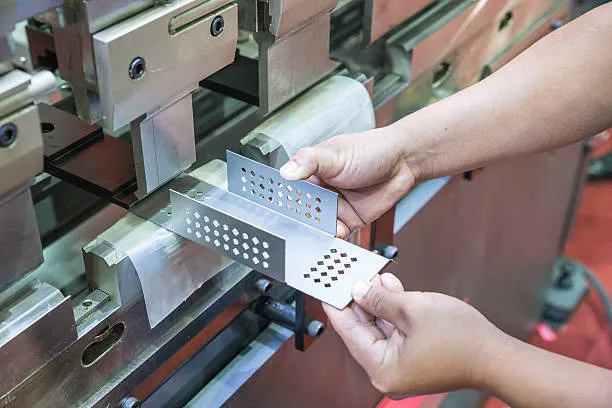
Medical metal stamping is the best choice for small, flat parts needed in large numbers. A press pushes sheet metal into a die, which is a shaped tool. Each hit makes a part, so the work is fast and every part matches.
DC offers progressive, transfer and deep stamping. It builds its own dies for all three. In progressive stamping, a metal strip moves through a row of die stations. Each station does one job, and the last one cuts the part free. DC’s custom metal stamping services hold ±0.05 mm for both samples and full production.
Devices That Use Stamped Parts
- Pacemakers, defibrillators and other heart rhythm devices
- Neurostimulators, muscle stimulators and bone growth stimulators
- Drug delivery pens, insulin pumps and pain control devices
- Batteries and capacitors inside powered devices
Why Do Device Makers Choose Deep Drawn Cases?
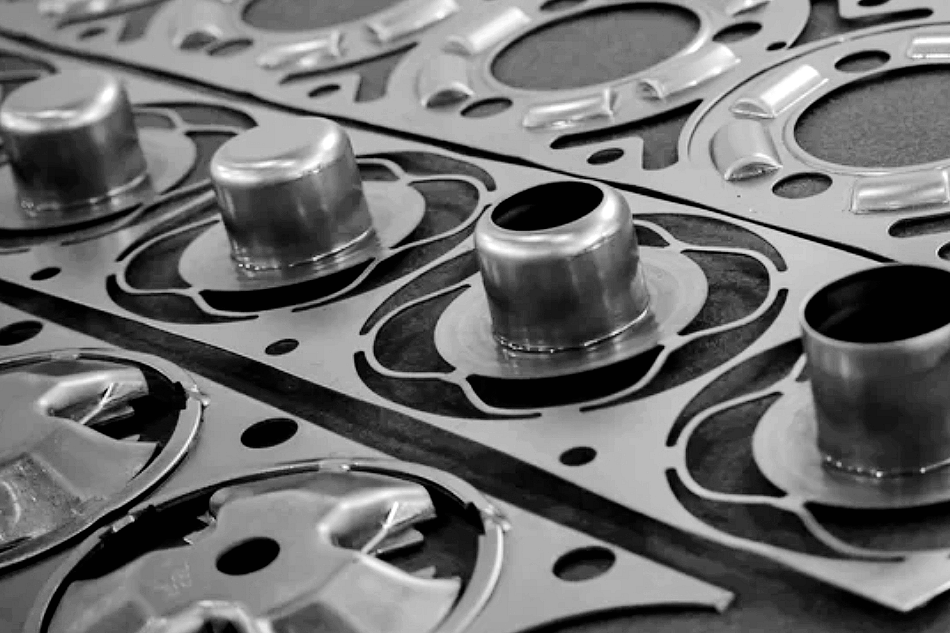
Deep drawn medical components are hollow parts made by pressing a flat metal sheet into a die. The metal stretches into a cup or case with even walls. With no welded seam, there are fewer joints to seal and check.
DC works mainly with stainless steel and titanium for deep and shallow drawn cases. Learn more on DC’s deep-drawn parts capabilities page.
Implant Device Cases
“Medical device housings shield electronics within implants. DC lists cases for pacemakers, neurostimulators, and cochlear implants.
Battery Cases and Sensor Cases
Battery cases protect the power cell from damage in medical devices. Sensor cases safeguard test equipment and provide appropriate readings.
Surgical Tool Parts
DC also lists parts for forceps, retractors, and biopsy trays. Exact and robust surgical instrument components are required.
What Does CNC Machining Add to Medical Parts?
Medical device CNC machining makes shapes that stamping and drawing cannot. A computer-guided tool cuts metal away from a solid block or a formed part. This adds threads, pockets, and precise 3D details.
DC offers 5-axis milling, turning, and wire EDM, with accuracy up to ±0.0001 inches. That is 0.00254 mm. Mark just the features that really require it since “Up to” signifies the best outcome. See more on DC’s precision machining solutions page.
CNC also works as a second step. A drawn case may need a cut hole or a flat mounting face. This mix gives precision medical components a seamless body and fine details.
Stamping, Deep Drawing or CNC: Which Fits Your Part?
The right process depends on the part’s shape and how many you need. A good medical device components manufacturer will match each feature to the best method.
Process Comparison for Medical Parts
| Process | Best For | Medical Example | Stated Tolerance |
| Stamping | Flat parts in large numbers | Battery and capacitor parts | ±0.05 mm |
| Deep drawing | Hollow parts with no seams | Housings, battery cases | Not stated |
| CNC machining | Complex 3D shapes | Surgical parts | Up to ±0.0001 in |
Choose first by shape and then by volume. Mix processes when a single method does not cover all features.
Stainless Steel or Titanium for Medical Parts?
The two primary metals used in medical parts are stainless steel and titanium. There are several grades of stainless steel. Titanium is robust, yet so much lighter.
Stainless Steel Grades
DC lists grades 301, 304, 316/316L, 321, 410, 420, 430, 440, and 17-4PH. The site says they are suitable for deep drawing and precise stamping and resist rust, have great strength, and are. Low carbon is what the “L” in 316L means. This aids in welded regions’ ability to resist rust.
Titanium
DC says titanium is strong, lightweight, and rust-resistant. The website does not list titanium grades. So, before you purchase titanium medical components, make sure the grade on your quote is confirmed. You can compare the full lists on DC’s stainless steel and titanium grades page.
Which Finishing Steps Get Each Part Ready?
Finishing steps are the extra processes that make a part clean, easy to track, and ready to use. Add them to your first quote.
DC’s Finishing Steps and What They Do
- Passivation: helps stainless steel medical components resist rust. Buyers often ask for ASTM A967 for this step.
- Laser marking: adds a lasting ID code to each part.
- Tumbling: smooths sharp edges and rough spots.
- Laser welding: joins small parts with very little heat spread.
- Heat treatment and finishing: change hardness and improve the surface.
- Assembly and packaging: send parts ready to build.
Read more on DC’s passivation for stainless parts page.
How Big Is the Factory, and How Fast Is Delivery?
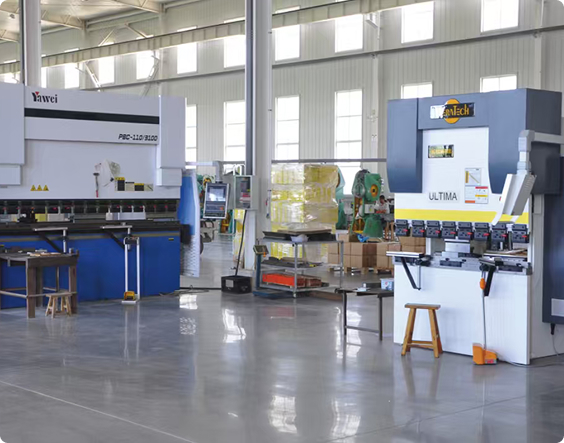
DC started in 2013. It handles research, production and sales in one company. The factory covers over 10,000 m² and runs more than 80 high-precision machines.
You get a quote within 24 hours. Sheet metal parts ship in 5 to 10 days. Stamped and drawn parts take longer, because the tools must be made first. DC takes both small orders and large ones.
How Does DC Handle Quality and Certification?
DC works in full compliance with ISO 9001 standards. It uses a complete check system to control part sizes. It also gives full material tracking and material certificates.
Learn more about Cangzhou Dechen Metal Products. One tip for any buyer: ISO 13485 is the quality standard made for medical devices. So ask each medical device components manufacturer which standards it holds.

What Mistakes Slow Down a Medical Parts Order?
The most common mistake is picking a process before the design is final. Other delays include:
- Size limits tighter than the part needs
- No metal grade on the drawing
- Finishing steps added after the quote
FAQs
What does a medical device components manufacturer make?
A medical device components manufacturer makes metal parts like cases, battery cases and tool parts. Every part follows the buyer’s drawings.
- Implant cases for pacemakers
- Parts for forceps and biopsy trays
Is deep drawing or stamping better for battery cases?
Deep drawing is better for battery cases for medical devices because it makes a seamless shell. Stamping suits the small flat parts inside.
- Deep drawn medical components have even walls
- Stamped parts suit large volumes
Which stainless steel grades can DC work with?
DC works with 301, 304, 316/316L, 321, 410, 420, 430, 440, and 17-4PH. It also works with titanium.
- Put the exact grade on your drawing
- Ask for material certificates
How fast can I get a quote for custom parts?
You get a DC quote within 24 hours of sending your drawings. Engineers check the specs, metal, and sizes first.
- An NDA keeps your design private
- STEP, DWG, and PDF files are accepted
What tolerance can CNC machining hold on medical parts?
DC’s CNC accuracy goes up to ±0.0001 inches. Stamping holds ±0.05 mm.
- Tight sizes cost more
- Use them only on key features
Can one medical device components manufacturer handle samples and full production?
Yes, DC handles samples, small batches, and full production. This keeps precision medical components the same at every stage.
- Samples check the fit before tools are made
- One team manages the whole path
Conclusion
The right medical part starts with a few simple choices. Pick the process by the part’s shape. Choose the metal and the finishing steps. Then send your full drawings. Dechen Metal Machining makes this easy, because stamping, deep drawing, CNC machining and finishing all happen in one factory.
You get a quote within 24 hours and full material tracking. Your design stays private under an NDA. When your drawings are ready, contact the DC engineering team for a design review and quote.