Introduction
Modern manufacturers need components that are accurate, repeatable, and delivered on time. Whether you are producing electrical enclosures, structural brackets, or custom machine parts, [Service] plays a critical role in maintaining product quality while controlling manufacturing costs.
In this article, we explain:
What [Service] is
Where it is used
The key manufacturing advantages
How to choose the right fabrication partner
What Is [Service]?
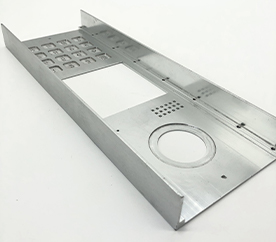
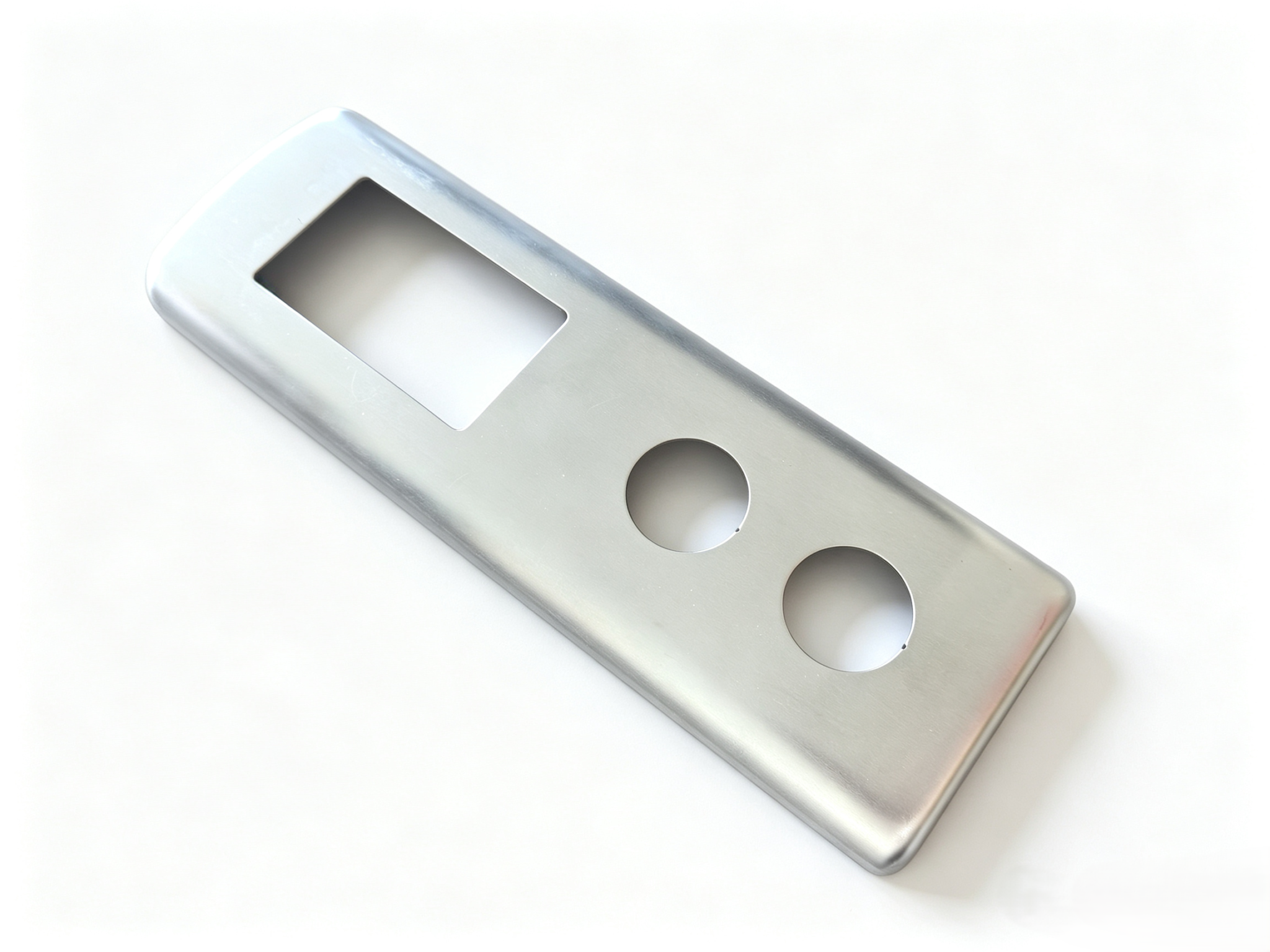
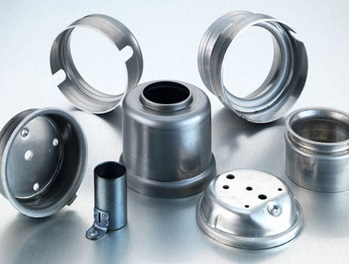
[Service] is a manufacturing process used to create custom metal components from materials such as:
Stainless steel
Aluminum
Carbon steel
Copper or brass
Typical operations include:
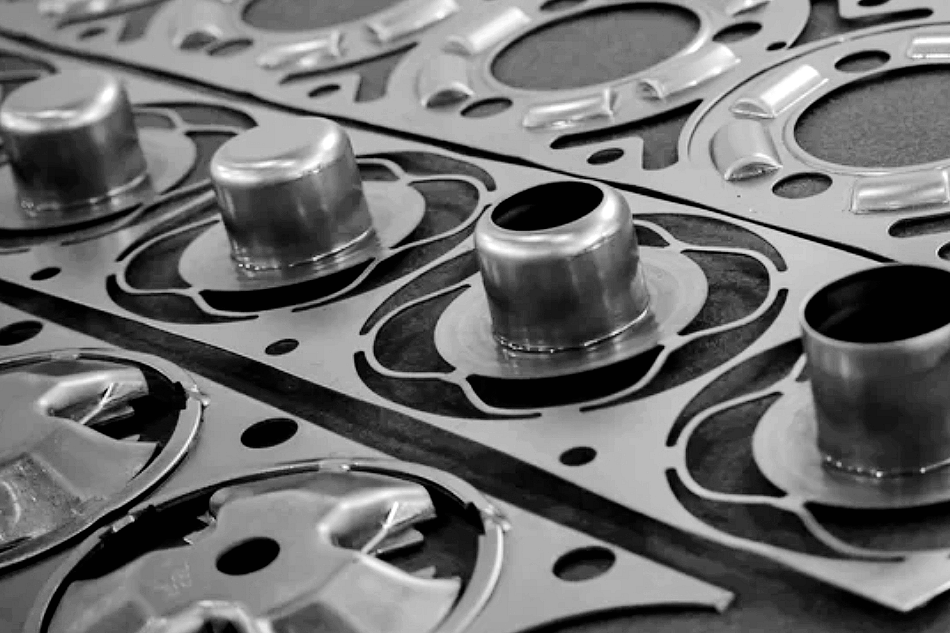
Laser cutting
CNC punching
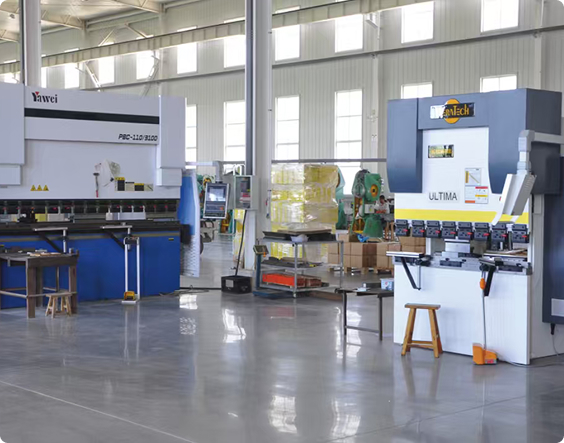
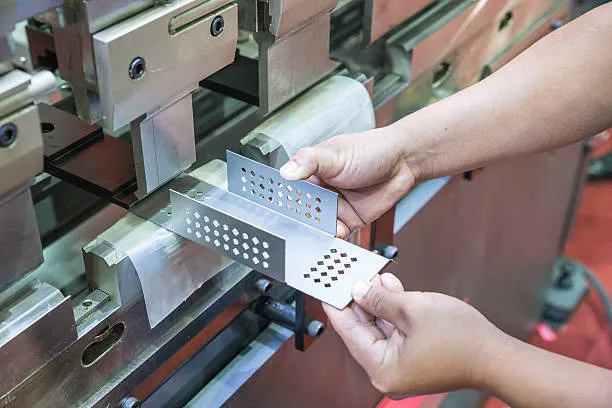
Bending
Welding
Surface finishing
Common Industrial Applications
Electrical & Electronics
Control cabinets
Mounting brackets
Heat dissipation panels
Machinery & Automation
Machine guards
Structural frames
Sensor mounting plates
Automotive & Transportation
Chassis brackets
Battery enclosures
Precision support components
Key Advantages of [Service]
High Precision
Modern CNC equipment can maintain tight tolerances, ensuring consistent assembly performance.
Faster Production
Digital CAD/CAM workflows reduce setup time and allow rapid production from engineering drawings.
Lower Material Waste
Optimized nesting and cutting strategies improve material utilization and reduce scrap costs.
Better Scalability
The same process can support prototype, low-volume, and mass production requirements.
Quality Control Considerations
Before shipment, professional manufacturers typically perform:
Dimensional inspection
Surface finish verification
Bend-angle measurement
Assembly fit testing
Packaging protection checks
Questions to Ask a Manufacturing Supplier
Do they support custom CAD drawings?
What tolerance range can they maintain?
Can they provide material certifications?
Do they offer prototype-to-production scaling?
What is their typical lead time?
Conclusion
[Service] is more than a metalworking process—it is a critical factor in product reliability, assembly accuracy, and production efficiency. Manufacturers that invest in professional fabrication partners benefit from consistent quality, shorter lead times, and reduced operational costs.
Need custom [Service] for your project?
Request a quotation today and send your 2D drawings or 3D CAD files for a manufacturing review.